Northern Lights in autumn: Where to go and what to expect
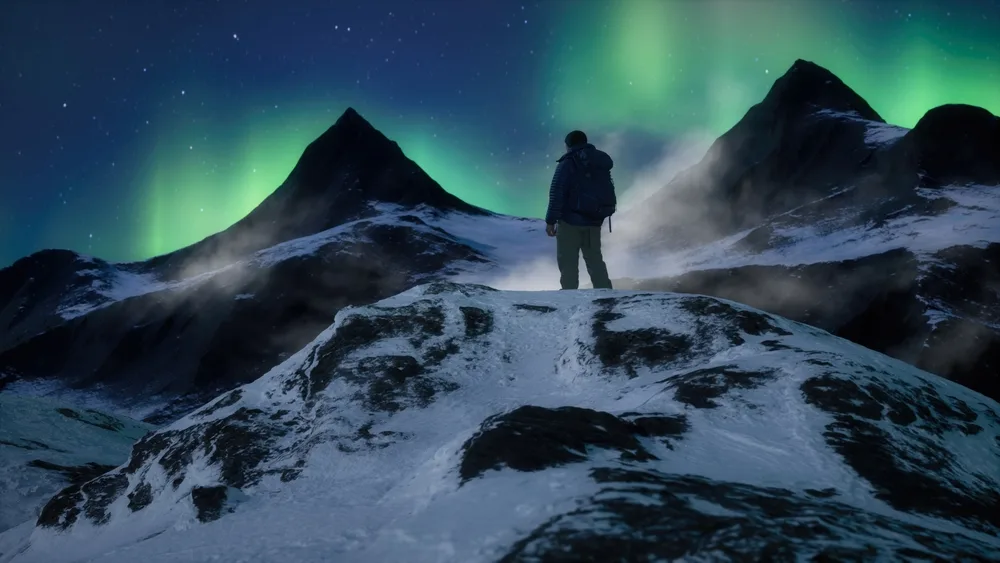
Seeing the Northern Lights might be something you’ve imagined doing one day. Perhaps you picture deep snow, a thick winter coat and green ribbons stretching across an Arctic sky. But you don’t have to wait until the depths of winter to look for them.
Autumn brings darker evenings back to northern destinations, opening up opportunities to see the aurora while leaving daylight for exploring. You could spend the afternoon discovering somewhere new, then head out after dinner to see what the night brings.
A sighting is never certain. Understanding where to go, which conditions matter and what a display can really look like will help you plan a trip with realistic expectations.
Why autumn is worth considering
The Northern Lights, or aurora borealis, are a natural light display high in the atmosphere. They happen when energetic particles interact with atmospheric gases, releasing light. Solar activity and its interaction with Earth’s magnetic field help drive the process.
Auroras can happen throughout the year. Seeing them is another matter: the sky needs to be dark enough. Long summer days make that difficult in far northern destinations, but autumn brings the darkness back.
Aurora activity also follows a seasonal pattern. The Finnish Meteorological Institute says auroras occur slightly more often in autumn and spring than in winter and summer. That makes autumn well worth considering, although it doesn’t mean every night is promising, or that it always beats winter for viewing.
Think of it as a chance to spend time outdoors during the day and still have a possible sighting after sunset. Your exact dates and destination will determine how much daylight you have.
Where to look for the Northern Lights in autumn
Start with somewhere you would enjoy visiting even without a display. These three destinations give you options for building a holiday around more than the evening forecast.
1. Iceland
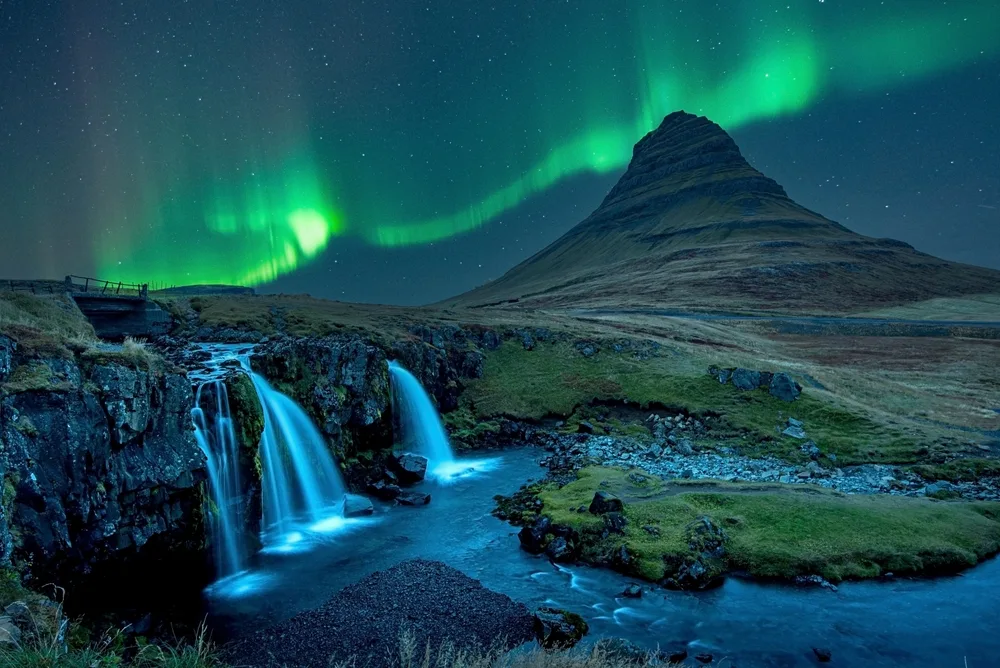
Iceland’s main Northern Lights season runs from September to April. You can use Reykjavík as a base or consider countryside accommodation with less artificial light nearby. You can see them from the capital, but darker surroundings can make a faint display easier to see.
Plan daytime excursions that appeal to you, and check travel times before booking. A packed sightseeing schedule followed by a late night outdoors may be less enjoyable than leaving yourself some breathing room.
2. Tromsø in northern Norway
In Tromsø, the Northern Lights season starts in late August, when evenings become dark enough again. Autumn also brings changing colours to the surrounding landscape, while you still have daylight to explore.
Balance your time outdoors with a visit to Polaria or the Science Centre of Northern Norway – two indoor attractions to explore if the weather changes your plans.
3. Finnish Lapland
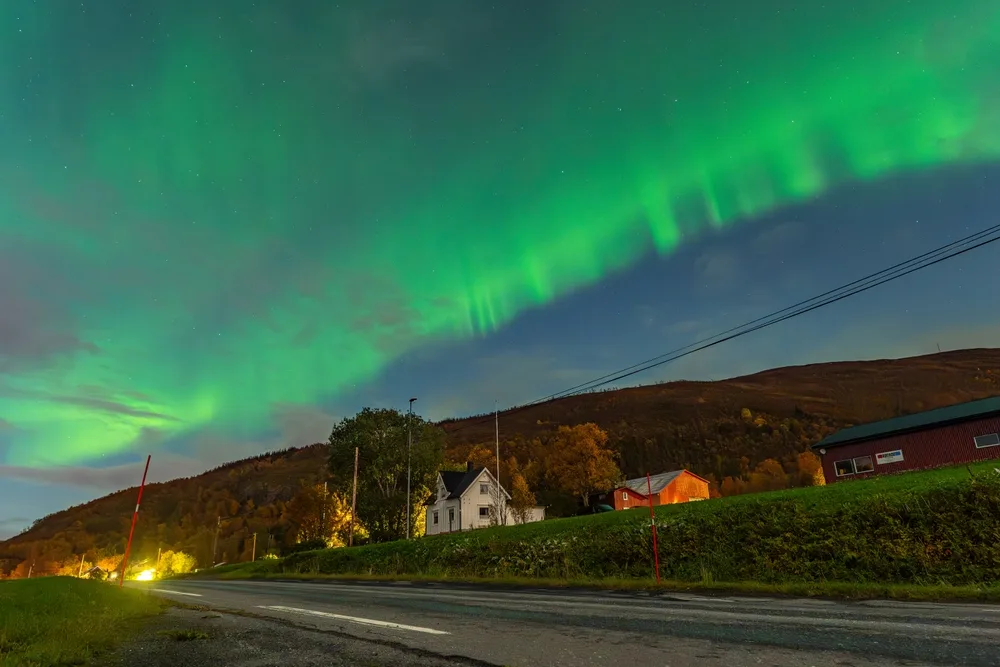
In northern Finland, the Northern Lights viewing season generally runs from late August to April. For a better chance of seeing them, head to Lapland rather than the cities in the south.
Before choosing accommodation, ask how you'll reach a suitable viewing spot. A remote setting may sound appealing, but transport, nearby facilities and somewhere warm to wait can matter just as much as the view.
What makes one night more promising than another
Being in a northern destination at the right time of year is only part of the picture. The conditions on the night still have to come together.
Aurora activity matters. Changes in geomagnetic activity affect the brightness and reach of a display. A dark sky cannot create an aurora on its own.
Cloud cover matters too. The lights occur far above the weather, so clouds can block your view even when a display is happening. Check a local weather forecast alongside an aurora forecast rather than relying on an alert alone.
Artificial light can also make a faint display harder to spot. Look for a safe, open location away from bright lights, with a clear view towards the northern horizon. In places under the auroral zone, keep looking overhead as well.
There is no appointment time for the lights. NOAA says the hours around midnight are often favourable, but auroras can appear at other times when it is dark. Follow local updates and allow for some waiting.
Will the lights look like the photographs?
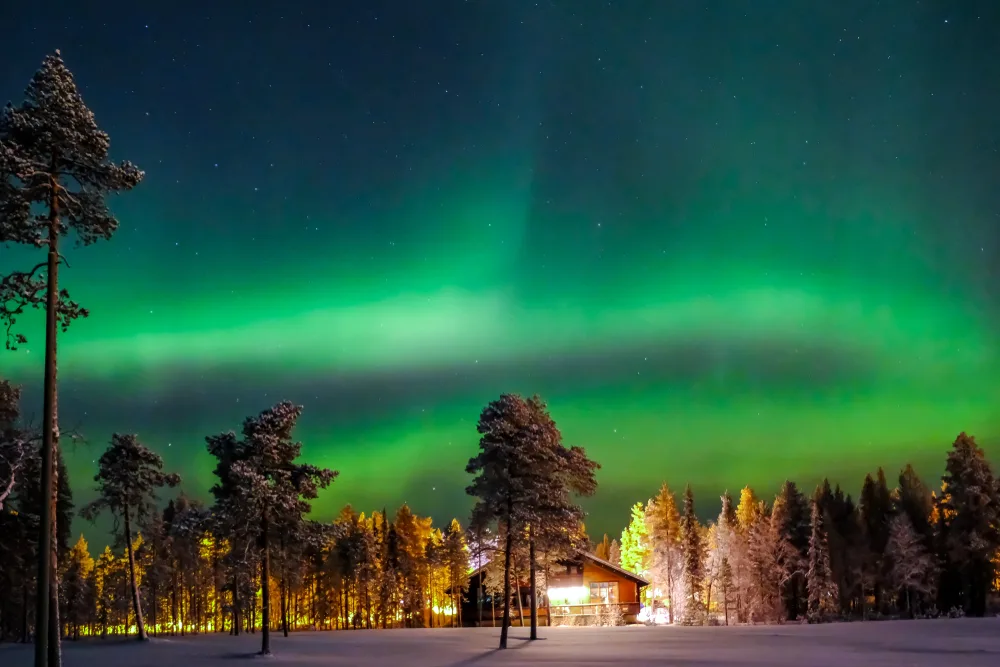
They might, but they may be subtler than you expect. A bright display can show visible colour and movement, while a weaker one may be much harder to distinguish.
The Met Office explains that photographs can make the aurora appear brighter than it looks to the naked eye. Long exposures let a camera collect more light, revealing detail and colour you may not see as clearly yourself.
That doesn’t mean every dramatic photograph is fake, or that you can only enjoy a sighting through a screen. It means a photograph is not a promise of the view you’ll get. Let your eyes adjust to the darkness, and take time to watch as well as trying to capture it.
Can you see the Northern Lights in Ireland?
Yes, when conditions are right. Tourism Ireland highlights the Inishowen Peninsula in County Donegal, including Malin Head, as an area known for its dark skies and northern outlook.
For an evening closer to home, keep an eye on aurora alerts and local cloud forecasts. Choose a viewing point you can reach safely, preferably checking access in daylight. Avoid cliff edges, exposed shorelines and unsafe roadside stops in the dark.
A trip to an established northern viewing destination generally gives you more regular opportunities, but no location can promise a sighting on your chosen dates.
How to plan a trip you will enjoy either way
A Northern Lights sighting can be a highlight, but it shouldn’t be the only thing you look forward to. Choose a destination you’d enjoy exploring even if the lights don’t appear, then consider these practical points:
- Give yourself several nights: A longer stay offers more opportunities for clear skies and aurora activity, although it cannot guarantee a sighting.
- Check the tour details: Before booking, ask about transport, duration, time spent outdoors, toilet facilities and accessibility. Check the cancellation terms and whether another outing is offered if no lights appear.
- Pack for standing still: Waiting outdoors can feel much colder than walking around. Bring warm layers, a weatherproof outer layer, suitable footwear, a hat and gloves.
- Leave room to rest: Balance late outings with slower mornings. Ask whether your accommodation offers aurora alerts or wake-up calls, so you don’t have to stay awake watching the sky.
- Plan something for the daytime: Choose attractions and activities you’re excited about, with indoor alternatives if the weather changes.
- Keep journeys flexible: If you’re hiring a car, check local road and weather conditions before setting off. Be prepared to change your plans if driving conditions are unsuitable.
Include travel insurance in your preparations
As you finalise your plans, check that your travel insurance suits your destination, dates, and the activities you intend to do. Keep your insurance documents and emergency contact details somewhere easy to find.
You can’t book the Northern Lights themselves. But you can choose a holiday with plenty to enjoy, and still leave room for a memorable evening beneath the sky.

Get a quick travel insurance quote
Affordable travel insurance for all your needs
Discover the World
Stay up to date with the latest travel tips and advice
Explore the world, one quiz at a time
Too ill to go on holiday? Your next steps explained