The best destinations to visit without needing a car
Some of the best places to visit come with an unspoken assumption: that you’ll need a car to explore them properly. For anyone who doesn't drive, or who would rather not drive on unfamiliar roads, that rules out a long list of destinations from the get-go.
Whether it’s a wine region, a fjord or a countryside escape, we wanted to find out which places you can still explore in full without your own vehicle. So, if driving in a foreign country immediately turns your relaxing holiday into a stressful one, we dug into the data to find out which destinations are worth a trip.
Leave the driving behind, make sure you’ve got your travel insurance sorted, and get ready to explore.
How did we calculate the most accessible destinations for car-free travellers?
We looked at some of the world's most popular getaways and picked a realistic base for each, meaning the town a visitor would usually stay in to explore the area. Each base was then scored on the following measures:
- Public transport time from the nearest airport
- How much faster or slower the same trip is by car
- Accessibility of the main sights by public transport or on foot
- The availability and frequency of public transport
- The overall walkability of the base location
- Distance between the destination’s top 10 landmarks
- Availability of day trips from the base, relative to its popularity
All metrics were combined to give each destination a final ‘Car-Independence’ Score out of 100.
The world’s 20 easiest destinations to explore without a car
1. Transylvania, Romania (Base: Brașov)
'Car-Independence' Score: 76.8/100
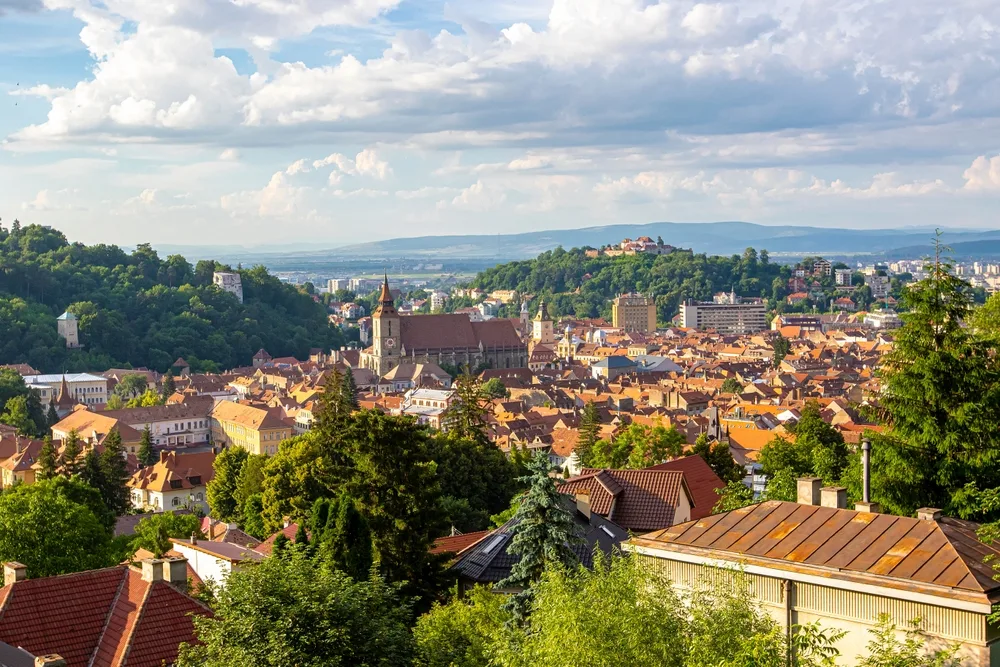
Brașov, a popular gateway to Transylvania, takes the top spot as the easiest destination to explore without a car. Its old centre is compact enough to explore on foot, giving visitors medieval streets, a Gothic Black Church and a mountain backdrop. Trains link the city to Bucharest, Sighișoara and Sibiu, while local buses run out to Bran and Râșnov castles. We looked at the 10 top-rated things to do in Transylvania, and all can be reached without a car, making Brașov a great choice for travellers who don’t want the stress of driving abroad. Arriving by train is a practical choice too, with stunning views along the way.
2. Madeira, Portugal (Base: Funchal)
'Car-Independence' Score: 68.6/100
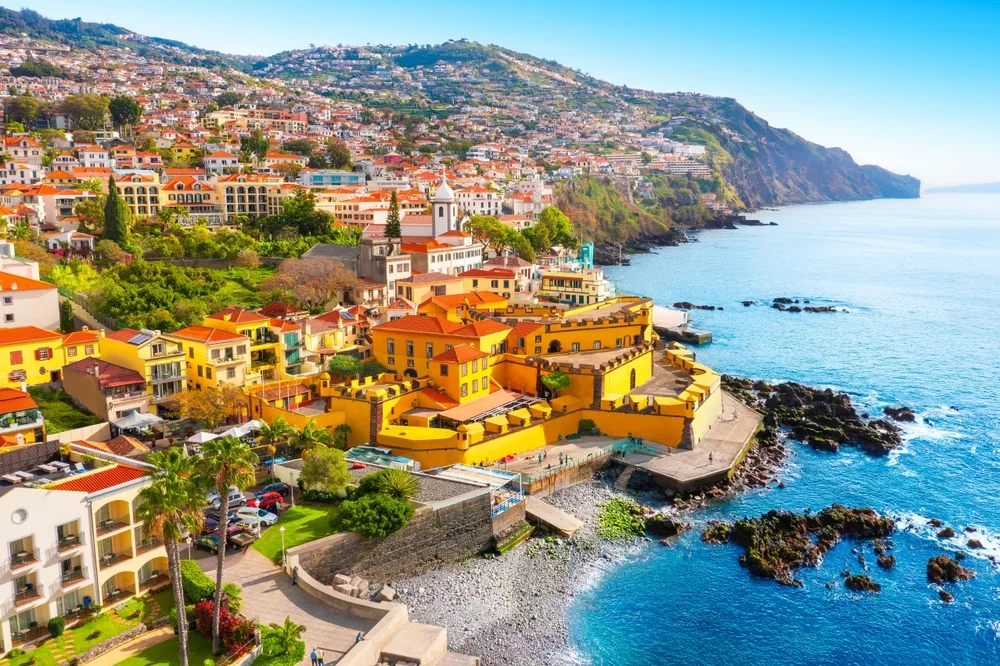
Madeira, an island in Portugal which has previously been dubbed the ‘Hawaii of Europe’ thanks to its volcanic landscapes and black-sand beaches, ranks second. Travellers setting up their base in the island’s capital, Funchal, can easily reach much of the island, thanks to its well-connected bus network. All major sights are accessible and the average wait time for public transport also sits at just 10 minutes. A cable car climbs to the hillside village of Monte, and gorgeous viewpoints, lush botanical gardens and picturesque coastal towns are all within reach without tackling the island's steep, winding roads. The climate stays mild year-round, which is good news for the walking trails, plenty of which are also reachable by bus.
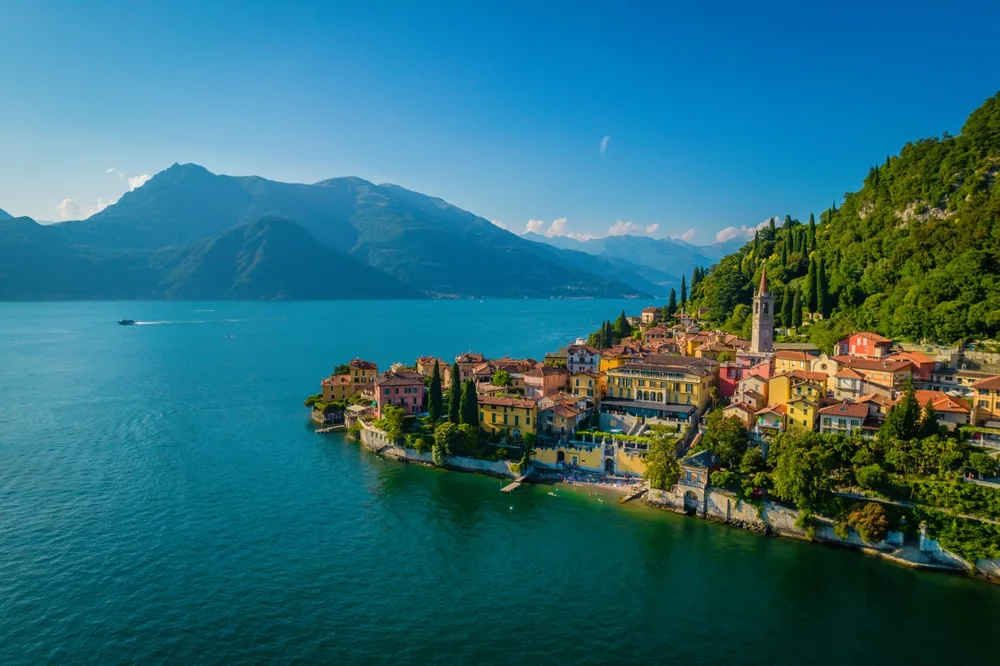
3. Lake Como, Italy (Base: Bellagio)
'Car-Independence' Score: 66.3/100
Lake Como is built for exploring without your own wheels. Public transport from Milan Malpensa International Airport reaches Bellagio a good 25 minutes quicker than if you were to drive. Its base, Bellagio, sits at the junction of the lake's three branches, so villages across the water are simply a passenger ferry away and the lakeside gardens and waterfront promenades sit close together along the shore. Many things to do can be reached from the village without a car, including the waterside gardens of Villa Melzi, the Basilica di San Giacomo in the old centre, the lungolago promenade and the old fishing harbour at Pescallo. San Giovanni beach is just a walk south along the shore, and the villages across the water are a passenger ferry away.
4. Provence, France (Base: Aix-en-Provence)
'Car-Independence' Score: 66.1/100
Provence is France’s first entry in the ranking, and its base is relatively easy to get around on foot. Aix-en-Provence has a compact old centre of markets and tree-lined boulevards, with many of the wider region's top landmarks reachable from it without a car. Regional buses and nearby high-speed rail reach Marseille, Avignon and the surrounding hilltop villages, and the airport bus in from Marseille Provence takes only 30 minutes. Settle in Aix-en-Provence and enjoy the lavender fields and smaller towns easily accessible by day trips, many departing from the base.

5. Cappadocia, Turkey (Base: Göreme)
'Car-Independence' Score: 66.0/100
Cappadocia ranks fifth and is one entry where you’re happy to let somebody else take the wheel, as it’s famous for being the world’s hot air balloon capital. The village of Göreme is small enough to walk and full of cave hotels to stay in. It also has far more organised day tours compared to the majority of destinations in our list. These trips cover the sights spread across the region, including the sunrise balloon flights, the 'red' and 'green' valley tours and the rock churches. Local transport is also cheap when you need it, with a single ticket costing on average just over 60 pence.

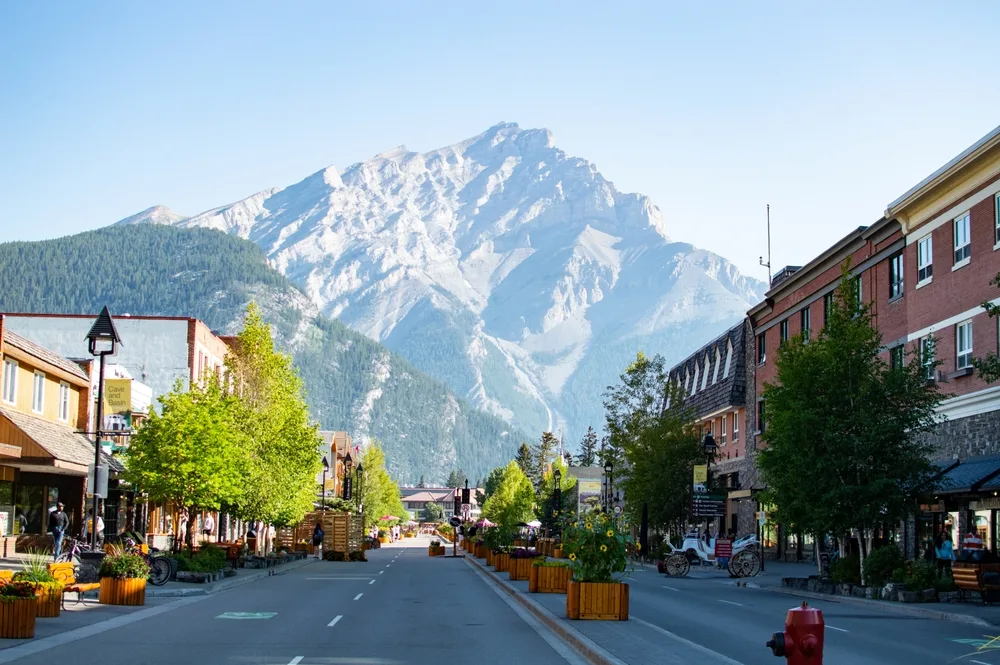
6. Banff, Canada (Base: Banff town)
'Car-Independence' Score: 65.2/100
Banff is one of only three non-European destinations in the top 10, and the most walkable base of this group. The town sits in the middle of the Canadian Rockies, which also came out on top in our study of the world's most beautiful mountains. Local buses are frequent in season, with an average wait of nine minutes, though it’s worth checking ahead if you’re visiting outside peak months, as the service can be reduced. The landmarks are also spread further apart than most, which may not come as a surprise given the scale of the surrounding national park. The trip in from Calgary International Airport takes 120 minutes by public transport, barely longer than the same journey by car.
7. Santorini, Greece (Base: Fira)
'Car-Independence' Score: 64.8/100
Santorini has the fastest airport access in the study alongside Naxos, taking just 10 minutes to reach Fira by public transport. Fira sits on the caldera rim, so the whitewashed buildings and volcanic views begin on its doorstep, and the majority of the island's top landmarks can be reached from there without a car. Buses carry the crowds up the coast to Oia, where the sunset is one of the most photographed in Greece. We previously named Santorini the second happiest destination in Europe and it turns out to be one of the easiest to get around without a car as well.

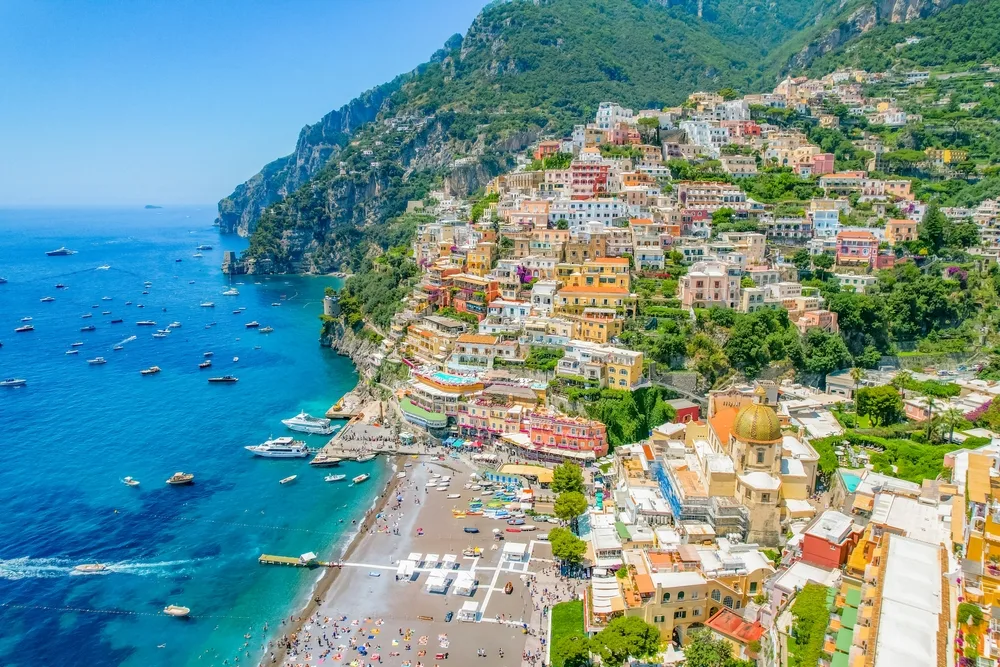
8. Amalfi Coast, Italy (Base: Positano)
'Car-Independence' Score: 63.2/100
The Amalfi Coast ranks eighth despite having the longest airport transfer in the top 10, taking 150 minutes to get from Naples International Airport to Positano. Once you arrive, the ferries and buses reach every landmark on our list and they run frequently too, further helping secure its spot in the top 10. Positano's pastel buildings climb the cliff above Spiaggia Grande, the pebbly beach at the foot of the town – connected by more steps than roads, so definitely pack your walking shoes!
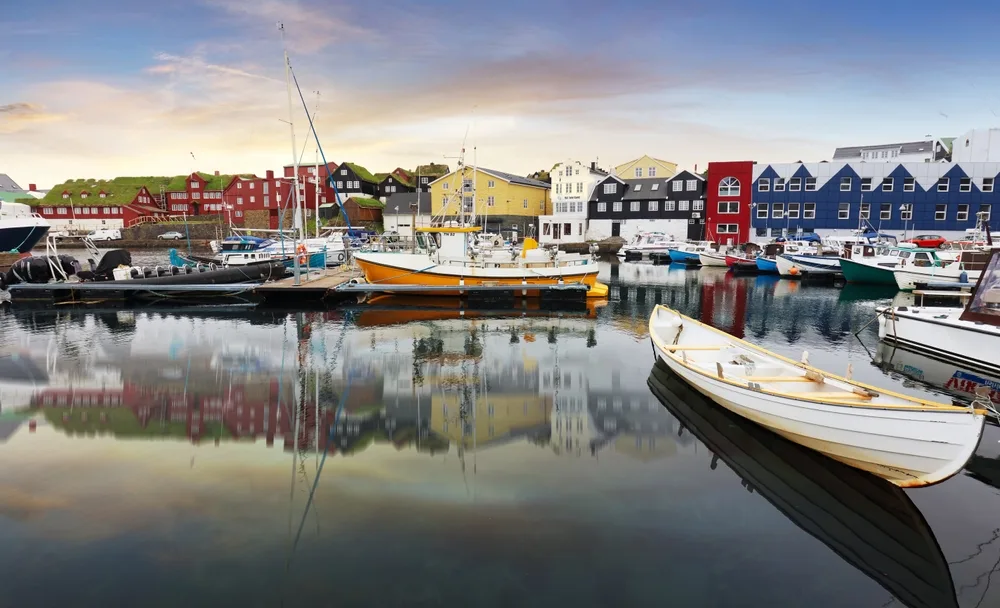
9. Faroe Islands (Base: Tórshavn)
'Car-Independence' Score: 62.2/100
The Faroe Islands secure ninth place, with Tórshavn standing out as an excellent base. Its local bus network is free to use and reaches every top landmark, and the trip in from Vágar Airport takes just 50 minutes. Tórshavn's old town of turf-roofed timber houses is small enough to wander in an afternoon, however day tours are the gap here, with fewer running than a destination of this popularity usually has. It’s worth checking what is available before you travel, to make sure you’re not left disappointed.
10. Queenstown, New Zealand (Base: Queenstown)
'Car-Independence' Score: 61.9/100
Queenstown completes the top 10 with the most frequent local transport service in the study alongside Reykjavik, where the average wait is eight minutes, and an airport 25 minutes out by public transport. The town sits on the shore of Lake Wakatipu beneath the peaks of the Remarkables, a mountain range, and is easy to cover on foot. Its landmarks are spread out however, with fewer than half reachable without a car, so the day tours do a lot of the work.

The hardest places to explore without a car
While the above locations are more easily accessed for those who don’t want to get behind the wheel, many can be a little too difficult to make the trip work.
The world’s top 10 hardest destinations to explore without a car
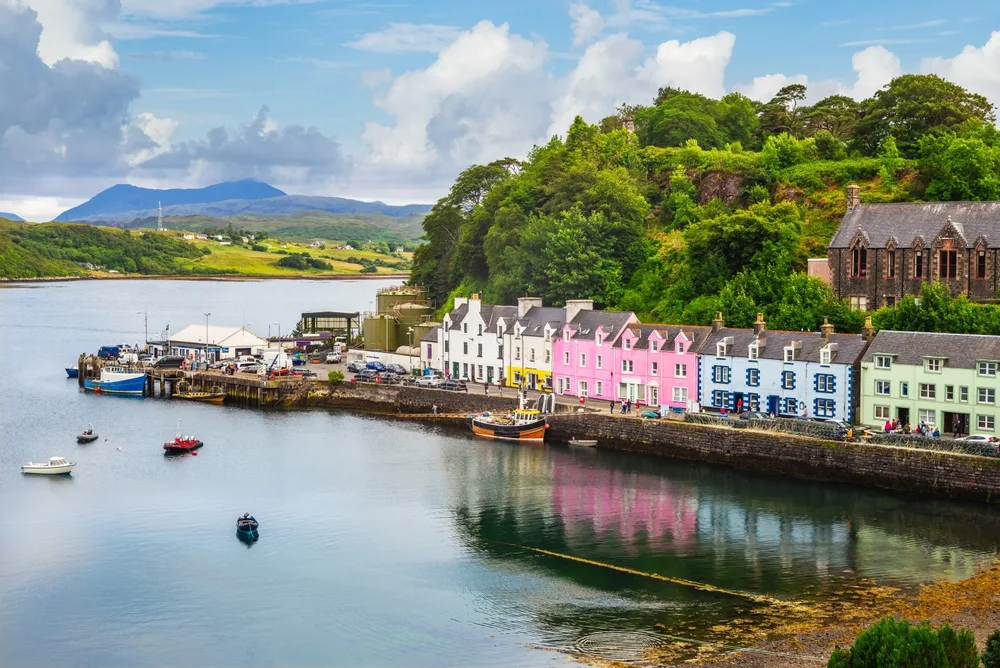
1. Isle of Skye, Scotland (Base: Portree)
'Car-Independence' Score: 17.4/100
With the lowest ‘Car-Independence’ Score in our study, the Isle of Skye leads our ranking of places where getting around without a car is difficult. The Scottish Island draws tourists in with its dramatic mountain landscapes, and while setting up base in Portree still means many of the top sights in the area are accessible without a car, this location has some of the lowest scores for availability and frequency of public transport.
2. Pembrokeshire, Wales (Base: St Davids)
'Car-Independence' Score: 25.6/100
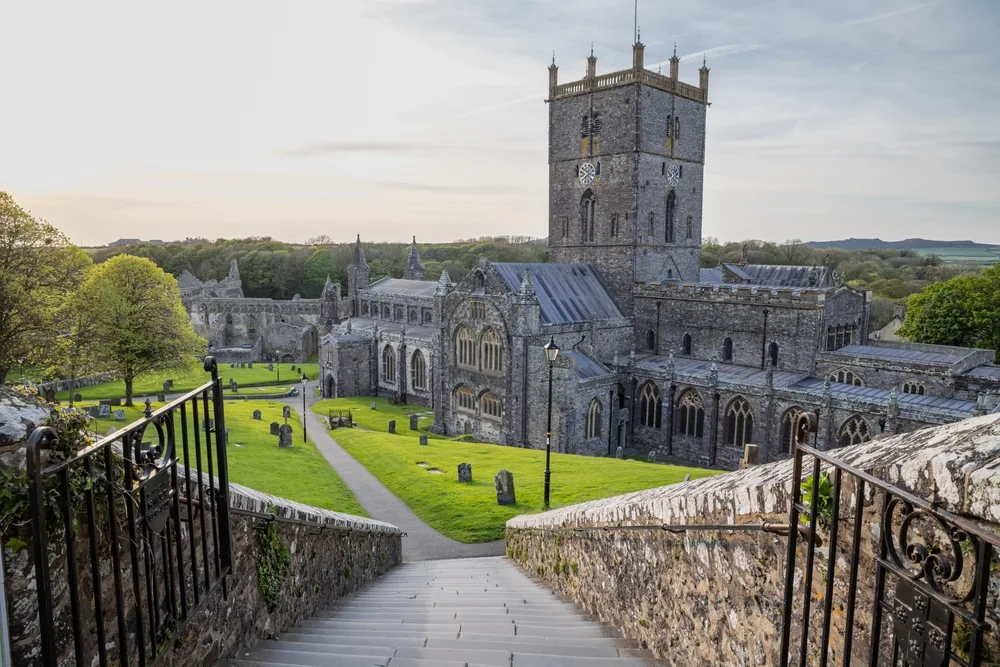
St Davids is known as Britain’s smallest city, but despite its size, it offers visitors scenic coastlines blended with medieval history. Several of the top sights can be reached without a car, however, the main issue is getting there in the first place. Due to its remote location, getting there by public transport, while possible, does take a lot longer. It’s around four hours quicker to drive rather than take public transport, so if you’re planning a trip, it may be worth exploring transfer options.
3. Barossa Valley, Australia (Base: Tanunda)
'Car-Independence' Score: 25.9/100
Barossa Valley is one of Australia’s famous wine regions, located roughly 60 kilometres from Adelaide. While Tanunda is located in the heart of Barossa, it scored second lowest in our study for public transport availability, meaning your own wheels (or a tour) are essential once you’re there. Aside from the vineyards, a lively main street bustles with restaurants and bars, while Château Tanunda sits right in town, making it one of the few wineries you can visit without a car.

4. Napa Valley, USA (Base: Napa)
'Car-Independence' Score: 26.2/100
Another vineyard, and perhaps one of America’s most famous ones, follows closely in fourth place. Napa stands out for its world-class wineries and scenic environment, complemented by its artisanal food scene. If your ideal getaway means lots of exploring on foot, then this destination may not be the one for you. Napa ranked lowest for walkability, based on the average elevation and elevation range across the city, and just a quarter of the top sights are accessible without a car (the second lowest overall).

5. Cliffs of Moher, Ireland (Base: Doolin)
'Car-Independence' Score: 27.8/100
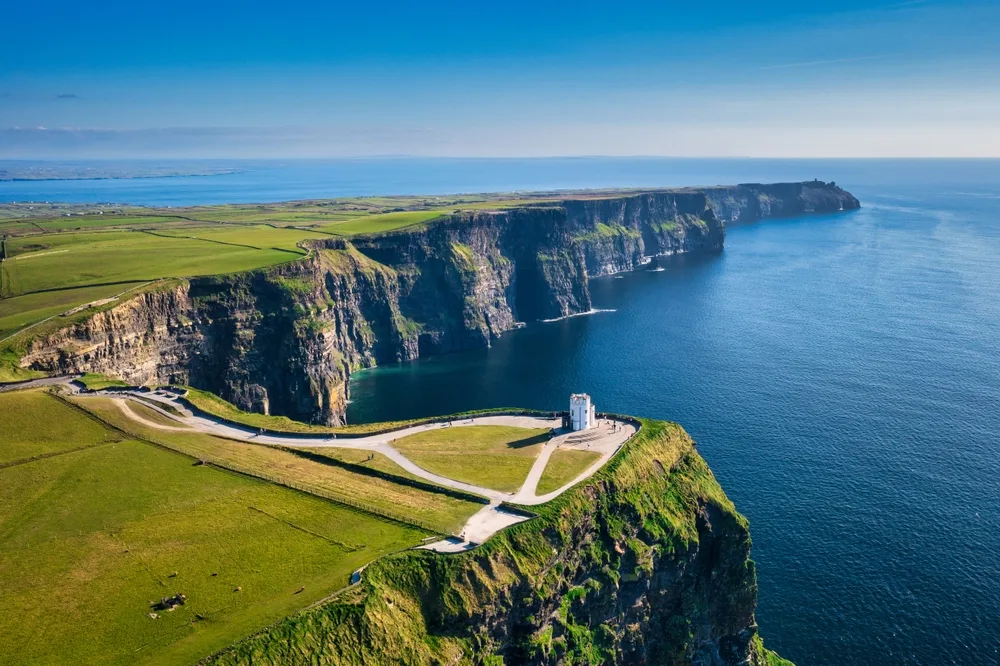
Doolin is renowned for its traditional Irish music and country pubs, with our previous research crowning its county as Ireland’s top destination for cosy, rural pubs. Alongside this, the Cliffs of Moher are perhaps one of the most iconic sights: rugged cliffs provide a dramatic backdrop to the sea below. But once again, one of the key stumbling blocks is actually getting there, as travelling from Shannon Airport is much speedier by car than public transport.
6. Tuscany, Italy (Base: Greve in Chianti)
'Car-Independence' Score: 28.9/100
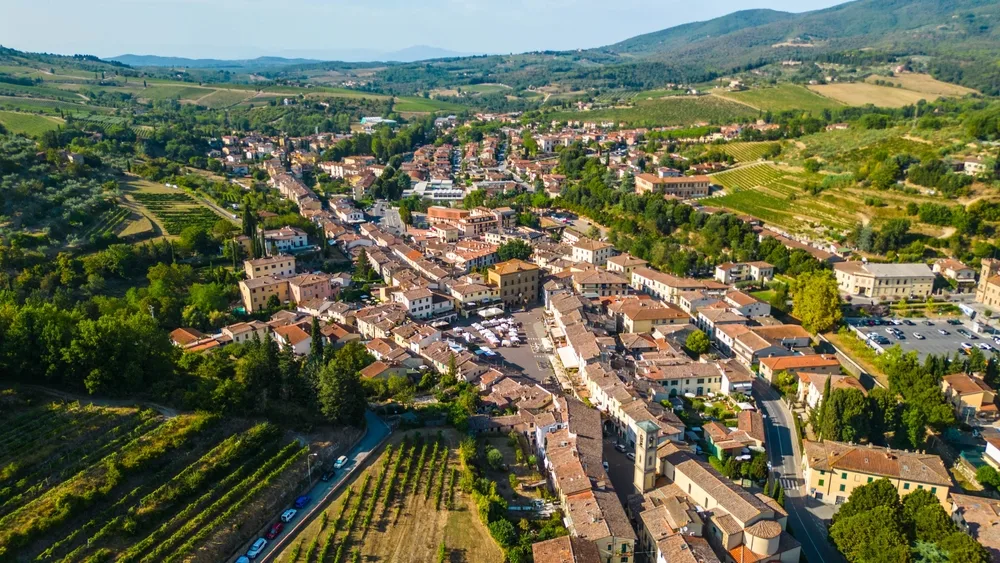
Tuscany’s position among the hardest destinations to explore without a car may not come as a surprise. Its rolling hills are some of its most famous views, while picturesque towns and wineries dot the countryside. Greve in Chianti is the perfect base for wine-lovers, and the town itself offers plenty of opportunities to indulge in culinary delights. While a bus network connects to larger cities, they can run infrequently and specific vineyards or smaller towns can be harder to reach.
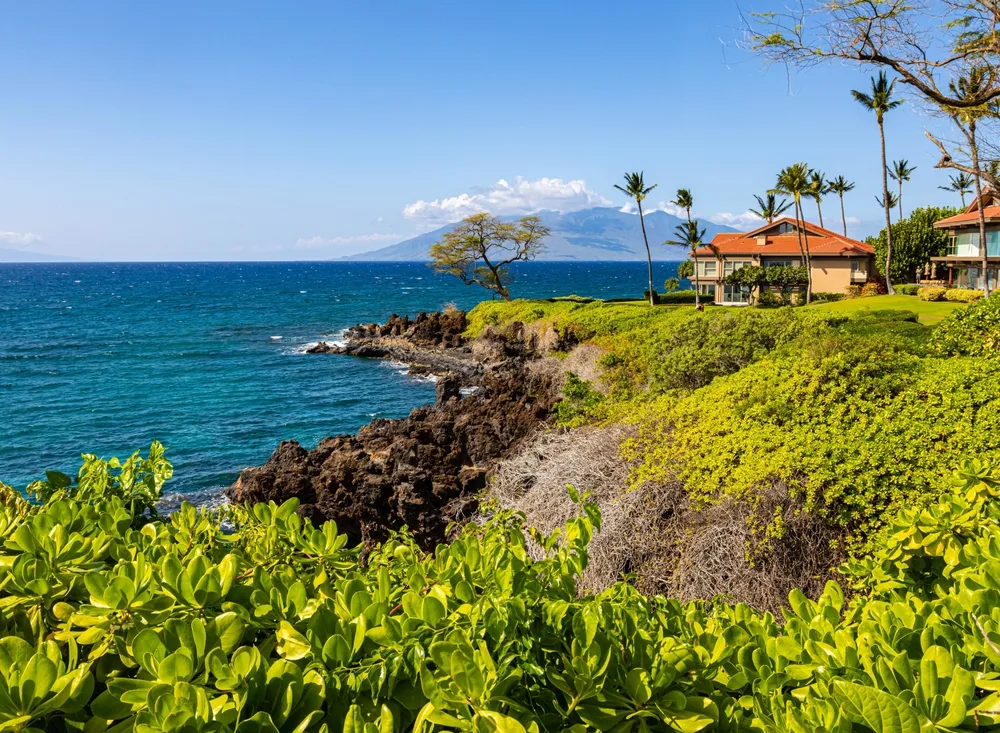
7. Maui, USA (Base: Wailea)
'Car-Independence' Score: 29.7/100
One of Maui's many draws are its picturesque beaches, varying from golden yellow to dramatic black and bordered by crystal clear waters. Due to the spread-out nature of these across the island, having a car is almost a non-negotiable, as less than half of the top sights are accessible without one and there is overall limited availability of public transport. So, if you’re hoping to explore the wider region, it’s worth looking into day trips or taxi services, to make sure you can soak up all of the island’s best sights.
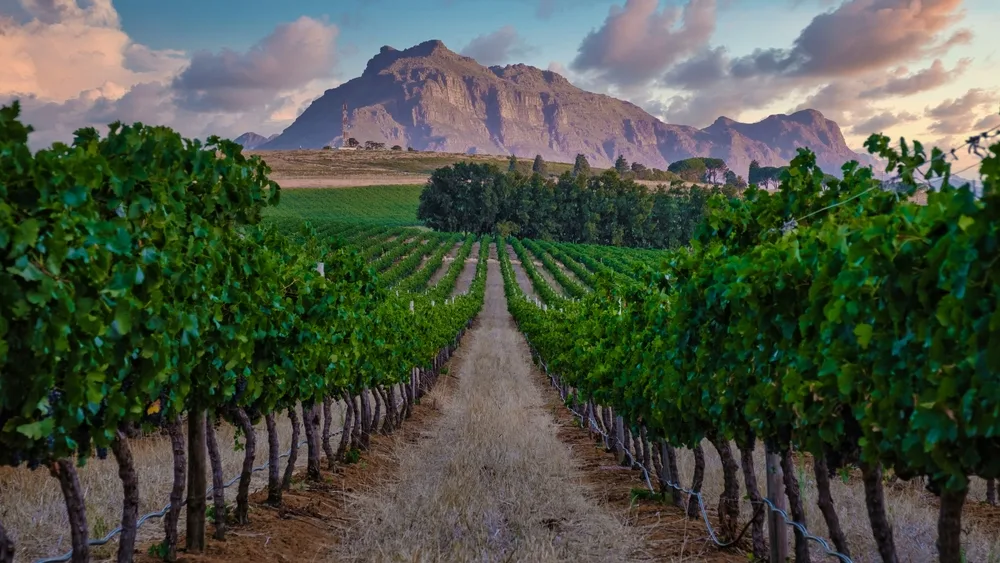
8. Stellenbosch, South Africa (Base: Stellenbosch)
'Car-Independence' Score: 30.6/100
Stellenbosch, one of South Africa’s most famous wine regions and second-oldest town, also features in our top 10 destinations hardest to explore without a car. The vineyards here are spread out, so booking a day trip or taxi in advance is recommended. However, as a university town, Stellenbosch centre has plenty of its own charm, with a historic town centre, an old botanical garden, wine bars and museums.
9. Milford Sound, New Zealand (Base: Te Anau)
'Car-Independence' Score: 31/100
Te Anau is a popular gateway to New Zealand’s Fiordland National Park and marks the starting point for three of the country’s eleven Great Walks: the Milford Track, the Kepler Track and the Routeburn Track. There are plenty of things visitors can do in the town itself, from visiting the Glow-worm Caves or Te Anau Bird Sanctuary to taking a scenic lake cruise. Naturally, one of the key draws of the area is Milford Sound, but the drive alone can take over two hours, with several other attractions spread along the way – so for those without a car, organised tours are worth looking into.

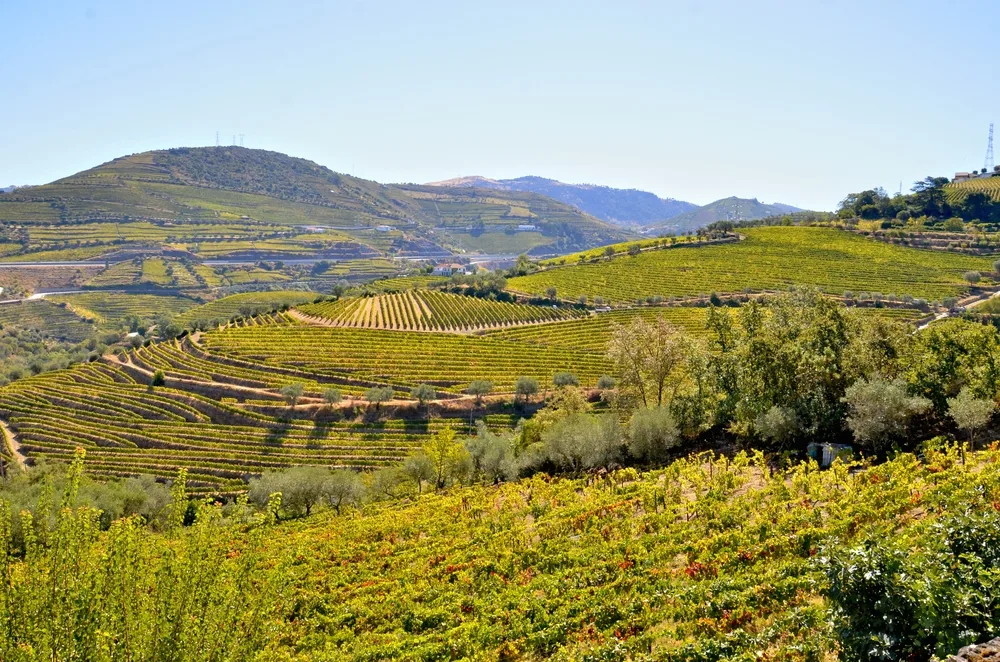
10. Douro Valley, Portugal (Base: Peso da Régua)
'Car-Independence' Score: 31.9/100
Completing the top 10 is the Douro Valley, a picturesque UNESCO World Heritage wine region in Portugal. While regular trains connect Peso da Régua to Porto, the top sights are harder to reach by public transport, scoring particularly low when it comes to the frequency. Our data shows that the average wait time is around 45 minutes, so if you’re relying on the public network, make sure to account for this in your itinerary. A little planning can go a long way, and for visitors without a car organised tours or pre-booked transfers are the easiest ways to take in the valley’s vineyards and viewpoints.
If any of these destinations are going on your travel wish list, you might not need to book a hire car but do remember to sort your travel insurance before you go. Annual travel insurance makes that simpler if you are away more than once a year, with one policy covering every trip.
Methodology
We analysed 50 of the world's most popular rural and island getaways to see how easily each one can be enjoyed without a car.
For each destination we chose a single base and scored the whole location from there.
Each base was scored across nine factors:
- Public transport time from the nearest airport to the base
- How much faster the airport transfer is by car than by public transport
- A walkability score for the base, based on terrain and elevation data
- The cost of a one-way public transport ticket, via Numbeo
- The number of available tours relative to the destination's search demand, according to Google search data
- The average distance between the destination's top landmarks
- The percentage of those landmarks reachable on foot or by public transport, using OpenStreetMap routes
- Public transport availability, meaning whether the network serves the main sights
- Public transport frequency, based on service headways
Each factor was converted to a percentile rank. The overall 'Car-Independence' Score is the average of those ranked factors on a 0 to 100 scale.
Data sources: Google Maps and local transfer operators, Numbeo, OpenStreetMap, Google Keyword Planner, operator and tourist-board sources.
All data correct as of August 2026.

Get a quick travel insurance quote
Affordable travel insurance for all your needs
Discover the World
Stay up to date with the latest travel tips and advice

Could you spot a travel scam? 8 warning signs to know

15 Travel hacks you’ll wish you knew sooner