A guide to natural disaster cover
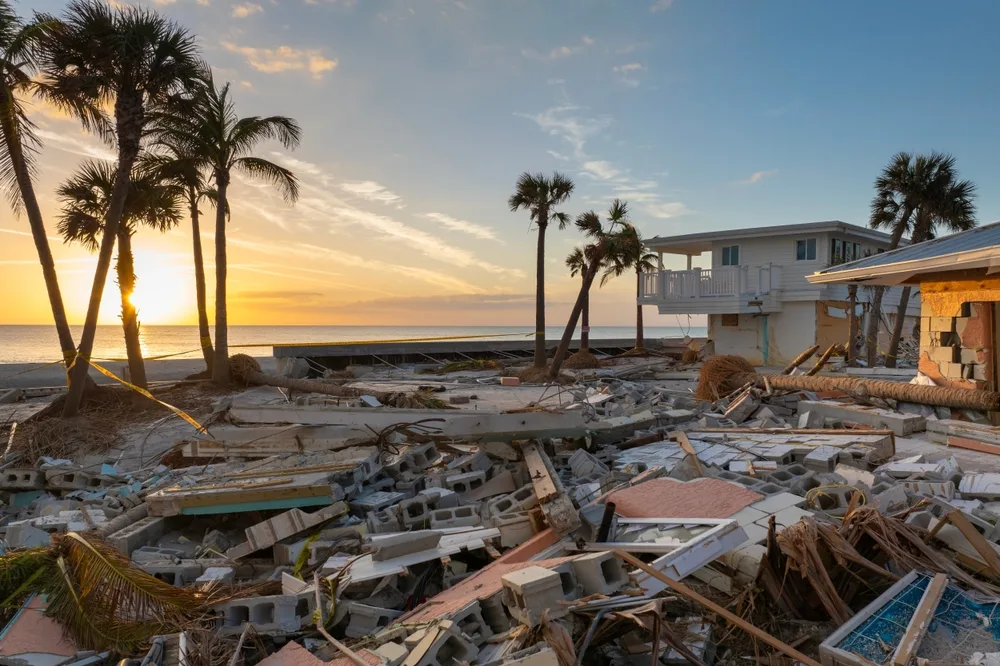
Earthquakes, wildfires, hurricanes, floods and volcanic eruptions aren’t things you want to think about when planning a holiday. But natural events can happen with little warning and, when they do, they can quickly affect flights, accommodation and entire destinations.
So, what should you do if a natural disaster affects somewhere you’re travelling to? And can your travel insurance help?
This guide explains what to check before you travel, what to do if your plans are disrupted and when your travel insurance may provide cover. With JustCover, Natural Disaster Cover is an optional upgrade. If you add it to your policy, it can provide additional cover if a natural disaster disrupts your travel plans.
Before you travel: how to prepare for natural disasters
You can't predict every natural event, but a few simple checks can help you prepare before your holiday.
1. Check the risks at your destination
Different destinations face different natural hazards. For example, some parts of the world experience hurricane or cyclone seasons, while others may be more prone to earthquakes, wildfires, flooding or volcanic activity.
Before you book, research your destination and consider:
- Whether you're travelling during a hurricane, cyclone or monsoon season
- Recent wildfires, flooding or volcanic activity
- Local weather conditions and forecasts
- Whether your accommodation is in an area particularly exposed to natural hazards
This doesn't necessarily mean you shouldn't travel. It simply helps you understand what you may need to prepare for.
2. Check Department of Foreign Affairs travel advice
The Department of Foreign Affairs (DFA) provides travel advice for Irish citizens travelling overseas. Check the guidance for your destination when you're planning your trip and again shortly before you leave.
Travel advice can change quickly following a major natural event, so it's worth keeping an eye on updates while you're away too.
3. Arrange travel insurance early
It's worth considering travel insurance as soon as you've booked your holiday.
Why? Travel insurance is designed to cover unforeseen events. If a hurricane, volcanic eruption or another natural disaster has already become a known event before you buy your policy, claims relating to it may not be covered.
For example, buying travel insurance after a hurricane has already been forecast for your destination doesn't mean you'll automatically have cover for disruption caused by that hurricane.
Always check your Policy Wording to understand when an event is considered known and what cover applies.
4. Know what your policy covers
Don't wait until something goes wrong to read your travel insurance documents. Before travelling, check the sections relating to:
- Cancellation
- Cutting your trip short
- Travel delays
- Emergency medical expenses
- Additional accommodation or travel expenses
It's also worth saving your insurer's emergency assistance number on your phone and keeping a copy of your policy details somewhere you can access without an internet connection.
What counts as a natural disaster?
Travel insurers may use slightly different definitions, but natural disasters can include events such as:
- Earthquakes and tsunamis
- Hurricanes, cyclones and severe storms
- Volcanic eruptions and ash clouds
- Floods and landslides
- Avalanches
- Other extreme weather events
With JustCover, Natural Disaster Cover is an optional upgrade that provides additional cover if a natural disaster disrupts your trip. The type of support available depends on how your travel plans are affected.
For example, your departure might be delayed, you may be unable to reach your destination, or you might need to find alternative accommodation.
Does travel insurance cover natural disasters?
Travel insurance may provide cover when an unexpected natural disaster directly affects your holiday, depending on your policy and circumstances.
Here's how Natural Disaster Cover could help, depending on what happens to your trip.
If your departure is delayed
If a natural disaster causes your scheduled public transport to be cancelled, your travel insurance may help. You may also have cover if your transport is significantly delayed.
Depending on your policy, you may be able to claim for the delay. You could also have cover for eligible unused accommodation or additional travel costs.
If you can’t reach your destination
If disruption caused by a natural disaster means you can't reach your destination or return to Ireland as planned, you may be covered for eligible additional accommodation and travel costs.
If you can’t stay in your accommodation
A natural disaster could mean you can no longer stay in the accommodation you booked. Depending on your policy, you may be covered for eligible unused accommodation costs or the cost of finding somewhere else to stay.
If you're injured during a natural disaster
If you're injured or become ill while abroad, travel insurance may cover eligible emergency medical expenses.
Depending on your policy, this could include:
- Emergency treatment
- Hospital care
- Medically necessary repatriation to Ireland
- Emergency medical assistance
Should you need urgent treatment, prioritise your safety and seek medical help. Contact your insurer's emergency assistance team as soon as you're able to.
If you're stranded abroad
Sometimes your accommodation is fine, but you simply can't get home. A storm might close an airport, flooding could stop local transport, or volcanic ash could ground flights.
Depending on your policy and circumstances, you may have cover for certain additional expenses while you're unable to travel. Again, keep receipts for anything you have to pay for unexpectedly.
What should you do if a natural disaster happens while you're away?
Being caught up in a major natural event can be frightening and confusing. Focus on your immediate safety first.
1. Follow local instructions
Listen to local authorities and emergency services. If you're told to evacuate, move to a shelter or avoid a particular area, follow those instructions.
Don't put yourself at risk trying to continue with your original itinerary.
2. Check DFA travel advice
Check the latest DFA guidance for your destination.
If you're in an affected area, official travel advice can help you understand the situation and what you should do next.
3. Contact your travel provider
If your flight, accommodation or tour has been affected, contact the company you booked with.
Find out whether it can:
- Rearrange your journey
- Provide alternative accommodation
- Rebook your trip
- Offer a refund
Your insurer may ask what assistance or refund was available from your travel provider before assessing your claim.
4. Contact your insurer
If you need medical treatment, need to return home unexpectedly or expect to incur significant additional costs, contact your travel insurance provider as soon as practical.
They can explain what to do next and what information you'll need to provide.
5. Keep evidence and receipts
Don't throw away paperwork while you're dealing with the disruption. Keep:
- Flight cancellation or delay confirmations
- Emails from your airline or accommodation provider
- Receipts for additional expenses
- Medical documents
- Your original booking confirmations
- Evidence of any refunds you've received
These documents can be important if you later need to make a claim.
When might you not be covered?
Natural disasters don't automatically mean you can make a travel insurance claim. There are two situations that are particularly important to understand.
The natural disaster was already known
Travel insurance is intended to cover unexpected events. If a natural disaster was already occurring, widely reported or forecast when you booked your holiday or bought your policy, claims relating to that event may not be covered.
For example:
- Wildfires are already affecting your destination when you book your trip. Claims resulting from those wildfires may not be covered because the event was already known.
- An earthquake happens unexpectedly after you arrive. If it was unexpected, your travel insurance may help with some of the costs if your trip is affected, depending on your cover level.
You don't want to travel because you're worried
Concern about what might happen is different from your holiday actually being disrupted.
For example, you might be worried that a volcano could erupt, but your flights and accommodation are still operating normally. If official travel advice hasn’t changed, choosing not to travel is unlikely to be covered.
Always speak to your travel insurer before cancelling your trip yourself.
How JustCover can help
If a natural disaster disrupts your holiday, having suitable travel insurance in place can help with some of the unexpected costs.
JustCover’s Natural Disaster Cover is an optional upgrade. If you’ve added it to your policy and it’s shown on your policy schedule, cover can include:
- Delayed departure – cover if your scheduled public transport is cancelled or delayed due to a natural disaster
- Missed departure – help with eligible additional accommodation and travel costs if disruption affects your journey
- Accommodation disruption – cover for eligible unused accommodation costs if you’re unable to use your booked accommodation
- Alternative accommodation – help with reasonable accommodation and transport costs if you need to move elsewhere during your trip
- Returning home early – cover for eligible costs to return home if you need to cut your trip short, with prior authorisation from our 24-hour emergency service
If you need emergency medical help abroad, our assistance team is available 24/7.
Always check your Policy Wording before travelling so you understand the cover, limits, conditions and exclusions that apply to you.
Before your next trip
Natural disasters aren't something you can control, but being prepared can make dealing with unexpected disruption easier.
Research your destination, keep an eye on official travel advice and understand your travel insurance before you leave. And if something does happen, prioritise your safety, speak to your travel providers and insurer, and keep evidence of any disruption or additional costs.

Get a quick travel insurance quote
Affordable travel insurance for all your needs
Discover the World
Stay up to date with the latest travel tips and advice
Explore the world, one quiz at a time
Too ill to go on holiday? Your next steps explained