The ultimate Italy travel guide for 2026
Italy is one of those places people think they understand until they actually go.
You picture the landmarks, the food, the scenery. And then you get there and realise it’s the in-between moments that stick. A quick coffee that turns into ten minutes of people-watching. A street you didn’t mean to walk down. A meal that lasts longer than expected – in a good way.
It’s an easy trip from Ireland – short flight, same currency, very little friction. But once you land, it feels like you’ve properly stepped away from the day-to-day routine.
If you’re thinking about Italy for 2026, here’s a guide to help you plan it in a way that actually works.
Why do people keep going back to Italy?
Italy isn’t a one-and-done kind of place. Most people go once, realise they didn’t see half of it, and start thinking about the next trip before they’re even home.
Part of that is practical – direct flights, the euro, getting around fairly easily. But it’s also the variety. You can have two completely different holidays in the same country without trying too hard.
A few reasons why it keeps ending up back on the list:
- It’s easy to get to from Ireland
- You don’t need to adjust much when you arrive
- The food is reliably good – even in simple places
- Every region feels slightly different
- It suits both short breaks and longer trips
You can keep it busy or slow it right down – Italy works either way.
Where to go in Italy: Region by region
Trying to “see Italy” in one trip doesn’t really work. It’s better to pick a couple of areas and give yourself time to enjoy them properly.
1. Rome
Highlights: Colosseum, Vatican City, Trastevere
Perfect for: First trips, history, short breaks
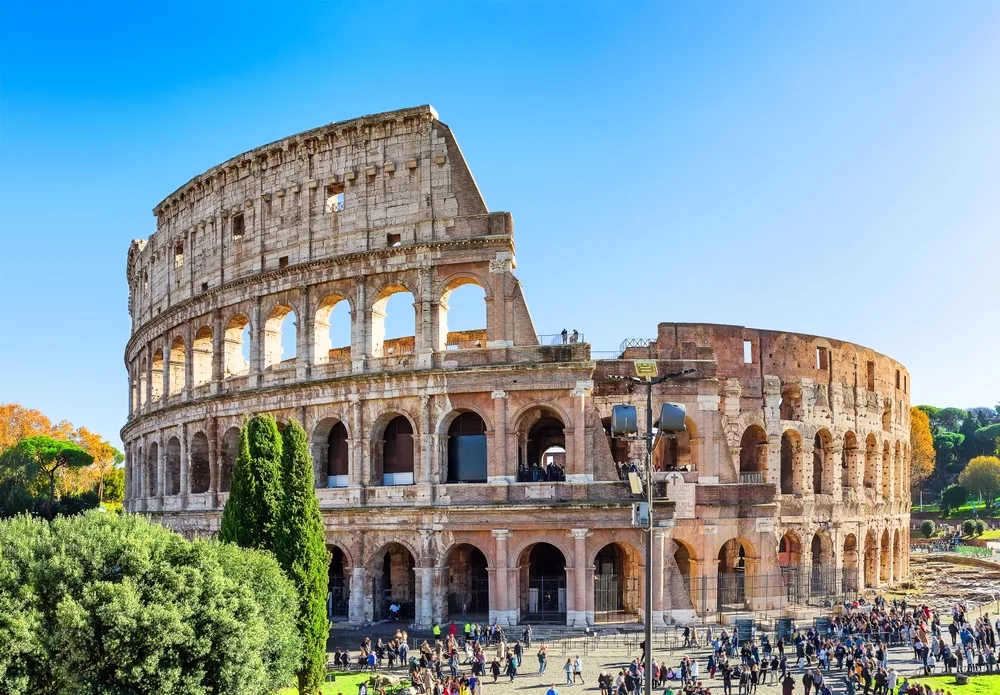
Rome feels like everywhere at once.
You’ll turn a corner and find something you recognise – the Colosseum, a huge piazza, a fountain you’ve seen a hundred times before. Then, just as quickly, you’re on a quiet street with laundry hanging overhead and no obvious plan.
That contrast is what makes it work. It’s big, crowded, and even chaotic at times, but also full of slower moments if you let yourself drift a bit. The trick isn’t to see everything. It’s about taking your time and letting the city unfold around you.
2. Tuscany
Highlights: Florence, Siena, Chianti countryside
Perfect for: Slower trips, food, scenery
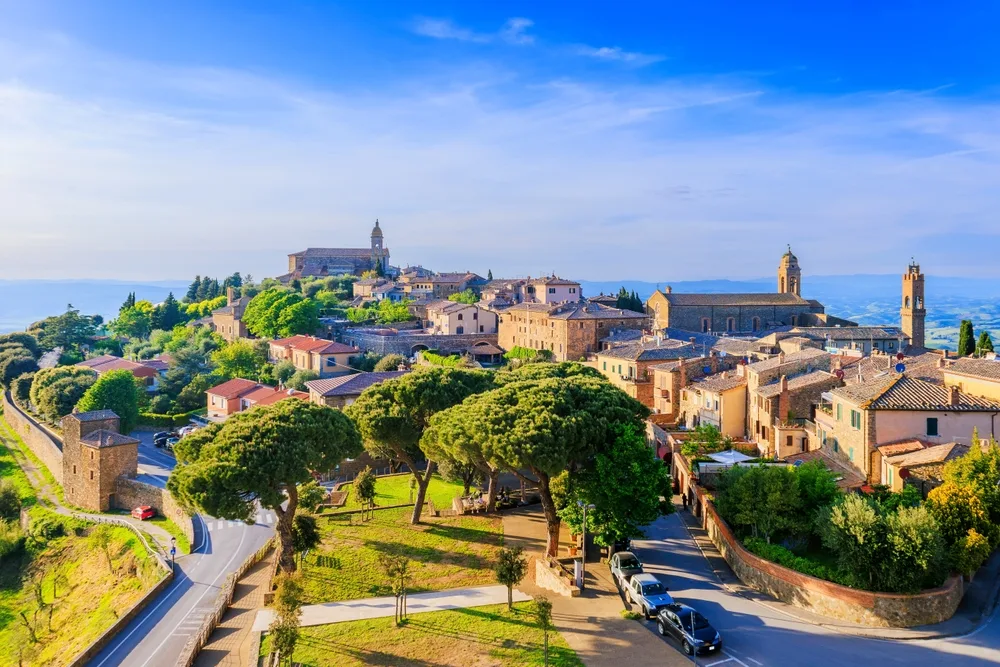
Tuscany is less about what you do and more about how it feels.
Florence gives you a strong start, full of art and architecture, with everything within walking distance. But the real shift happens when you head out into the countryside. The roads get quieter. The views stretch out. Vineyards, olive groves, hilltop towns that seem to appear out of nowhere.
Days tend to revolve around simple things like a good lunch and a glass of wine. Maybe even a drive with no real rush to get anywhere. And somehow, that’s exactly enough.
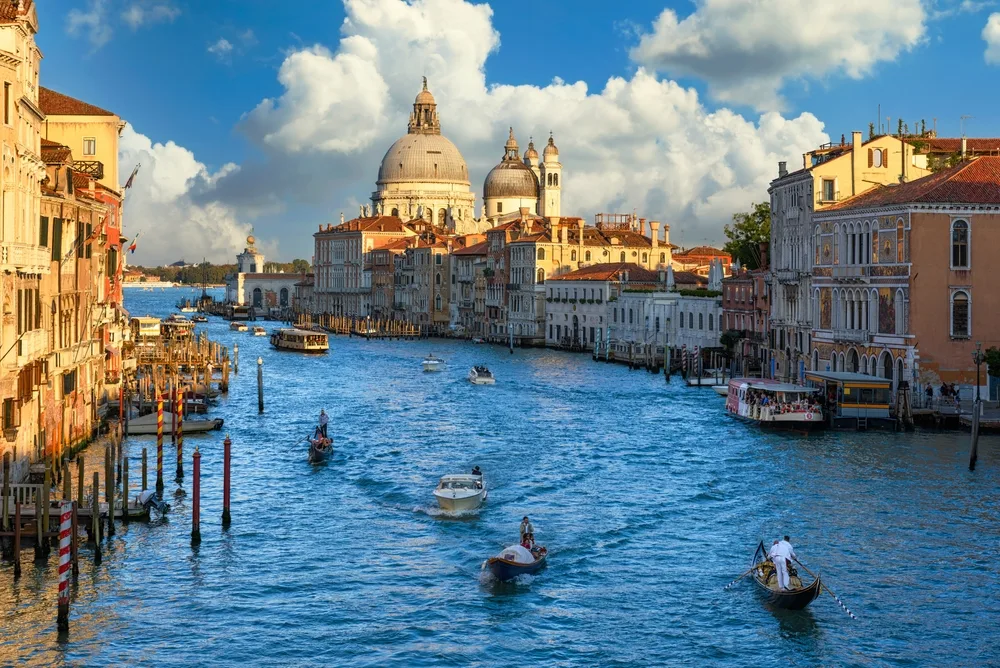
3. Venice
Highlights: Canals, St. Mark’s Square, hidden streets
Perfect for: Short stays, off-season travel
Venice can feel busy at first, but it doesn’t stay that way.
Step away from the main routes, or head out early or late, and it changes quickly. The noise drops, the streets empty out, and you start to notice the smaller details, like water moving through the canals or footsteps echoing in narrow alleyways.
It’s smaller than people expect, which makes it easy to explore without much of a plan. Stay overnight if you can. Venice is at its best once it slows down.
4. Amalfi Coast
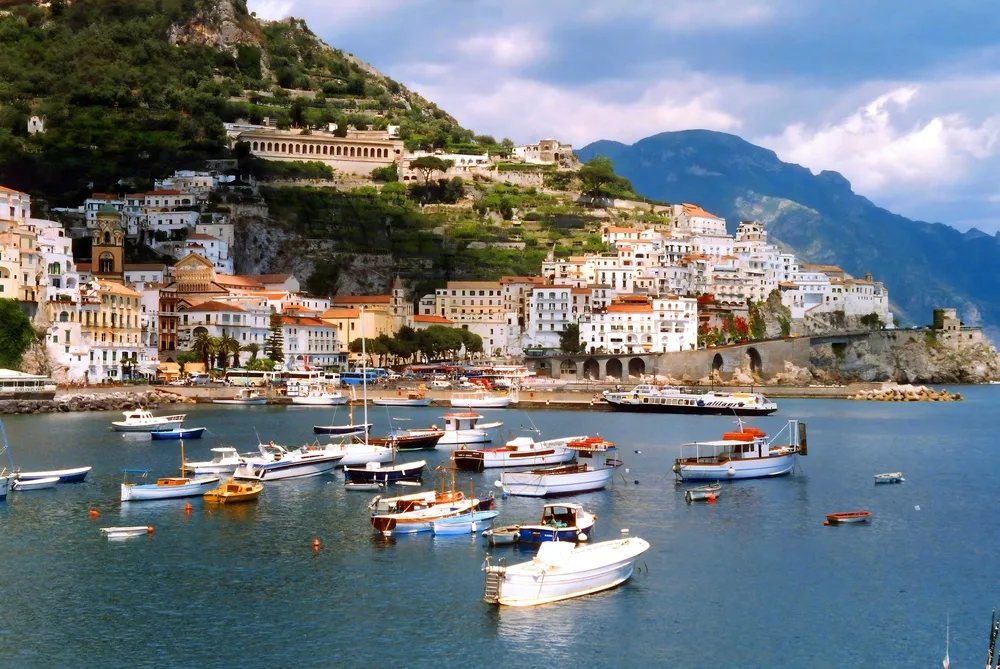
Highlights: Positano, Amalfi, Ravello
Perfect for: Scenery, summer trips
The Amalfi Coast doesn’t really do subtle.
Everything feels turned up here – the colours, the views, the way the towns cling to the cliffs. It’s the kind of place where even a short drive can feel like part of the experience.
Yes, it gets busy. Yes, the roads are tight. But that’s part of its charm.
Find a spot overlooking the water, order something simple, and sit there for a while. It’s one of those places where the setting does most of the work.
5. Northern Italy
Highlights: Lake Como, Lake Garda, Milan
Perfect for: Relaxed breaks, mixed trips
Northern Italy has a different pace – it’s calmer and a bit more polished.
The lakes are the standout. Still water, mountain backdrops, and towns that feel easy to settle into. You don’t need to rush here. It’s the kind of place where mornings stretch out, afternoons drift, and plans stay fairly loose.
If you want a trip that feels organised without being busy, this part of Italy makes that easy.
6. Sicily and Sardinia
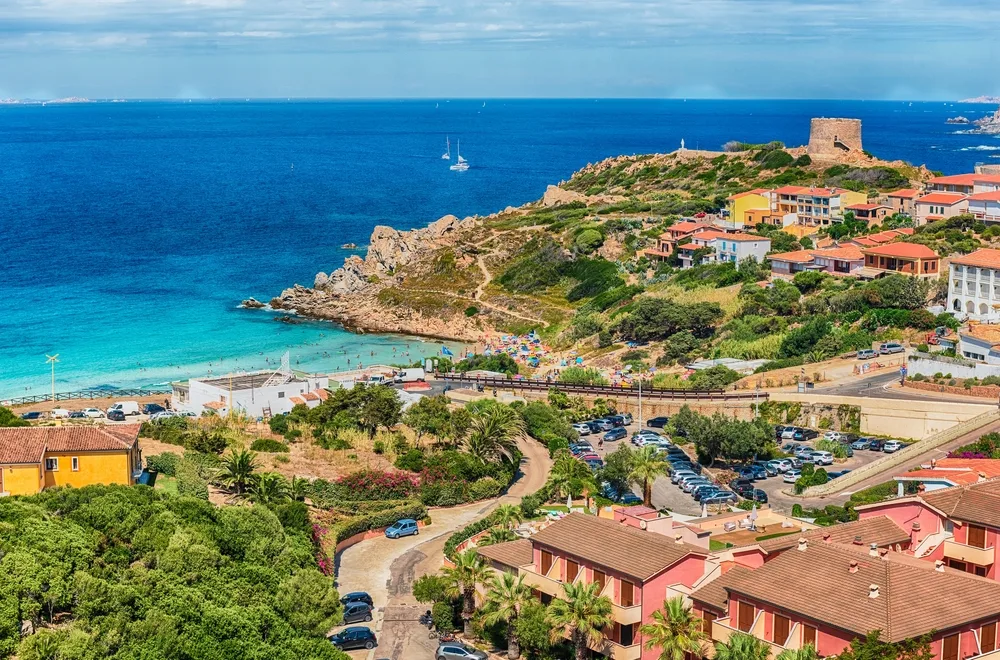
Highlights: Palermo, Mount Etna, Sardinian coastlines
Perfect for: Beaches, longer stays, variety
The islands feel a step removed from mainland Italy in a way that’s easy to notice.
Sicily is layered and a bit unpredictable. Busy streets, historic sites, quiet beaches, and Mount Etna (the highest Mediterranean island mountain) is always somewhere in the background.
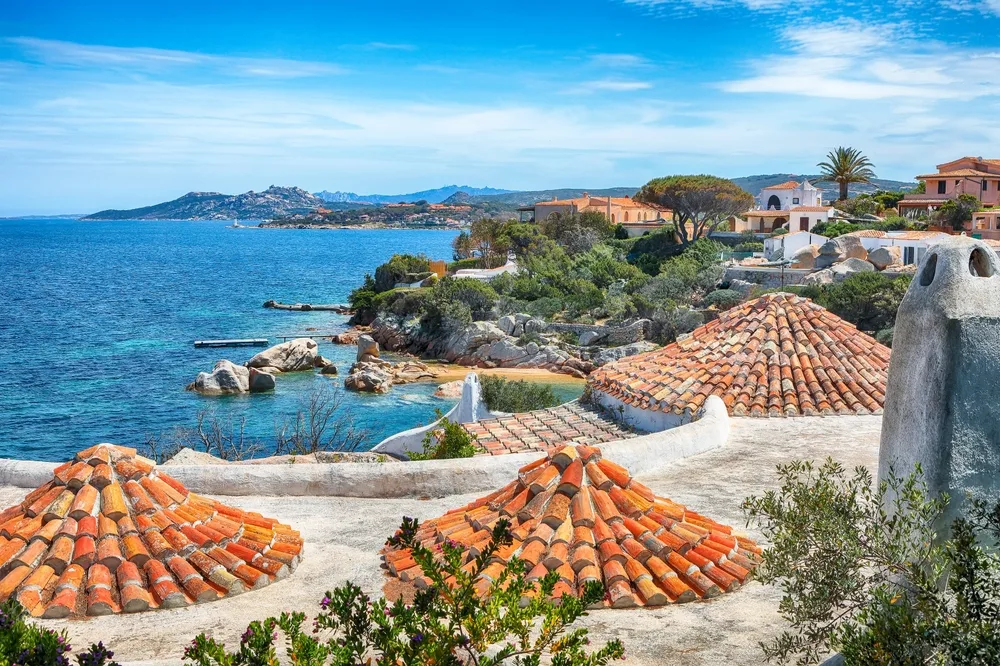
Sardinia is simpler in feel. Think beautiful, clear water, open space, and a slower rhythm once you move beyond the main resorts.
Both islands reward you for staying a little longer. Give them time, and they start to feel less like a trip and more like a proper break.
When’s the best time to visit Italy?
From alpine lakes in the north to sun-soaked southern coastlines, Italy’s weather shifts depending on where you are. Here’s a simple seasonal breakdown to help you plan:
Travel tip: Late spring and early autumn usually offer the best balance of good weather and manageable crowds.
What to eat and drink in Italy
Food in Italy isn’t complicated, but it is taken seriously there.
Most dishes are built around a few good ingredients, and each region does things its own way. That’s why the same meal can feel completely different depending on where you are.
- In Naples, pizza is soft, simple and cooked fast in a wood-fired oven.
- In Rome, pasta dishes like carbonara or cacio e pepe rely on just a handful of ingredients.
- In Tuscany, it’s more about grilled meats, local wine and rustic bread.
- Along the coast, seafood is usually the safest (and best) choice.
There’s also a rhythm to how people eat.
Coffee is quick, usually taken standing at the bar. Lunch can be relaxed, but dinner is where things slow down. Meals stretch out, especially if you’re with good company. And then there’s gelato. It’s everywhere, and you’ll probably have more of it than you planned.
If you’re unsure what to order, keep it simple and go local. That’s usually when it’s at its best.
How to get around Italy
Getting around Italy is fairly straightforward once you know what works best for your trip.
If you’re travelling between major cities, trains are usually the easiest option. They’re fast, reliable, and take the stress out of planning. You can have breakfast in Rome and be in Florence or Milan a few hours later.
For smaller towns, it takes a bit more effort. Regional trains and buses will get you there, but they’re slower and not always as predictable.
If you’re heading into the countryside – Tuscany, parts of the Amalfi Coast, or more rural areas – hiring a car gives you more freedom. You can stop when you want, take a different route, and explore places that aren’t on a set timetable.
In cities, though, it’s a different story. Driving can be tricky, with narrow streets and restricted zones. Walking or using public transport is usually the better option.
A simple way to plan it:
- Cities to cities – train
- Countryside – car
- Within cities – walk or public transport
Keep it flexible, and don’t try to fit too much in. Travel days always take a bit more time than you expect.
Where to stay in Italy
Where you stay in Italy can shape your whole trip more than you might expect.
In cities, location makes a big difference. Staying somewhere central means you can walk more, see more, and spend less time figuring out transport. It keeps things simple.
Along the coast, it’s more about the setting. Sea views, easy access to the water, and somewhere you’re happy to slow down for a while.
If you’re heading into the countryside, agriturismos are worth considering. These are working farms that offer accommodation, usually with home-cooked food and a quieter pace. They’re a good option if you want a break from busy cities.
Apartments are also popular, especially for longer stays or if you want a bit more flexibility with meals and space.
There’s no single “best” option – it depends on how you want your trip to feel. If you’re travelling in peak summer, it’s worth booking ahead. The most popular places fill up quickly, especially in coastal areas and well-known regions.
Why travel insurance still matters in Italy
Even when a trip feels straightforward, things don’t always go to plan.
Flights get delayed. Bags don’t arrive when they should. Plans change at short notice. It’s not the kind of thing you focus on when booking a trip, but it can make a difference when you’re away.
Your European Health Insurance Card (EHIC) can help you access public healthcare in Italy, but it doesn’t cover everything. Costs like cancellations, lost belongings or getting home early can still come up.
Travel insurance for Italy is there for those situations. It means you’re not left figuring things out on your own if something unexpected happens. It’s a small part of planning your trip, but one that’s worth sorting before you go.
Italy is ready when you are
Italy isn’t somewhere you need to rush through. It’s better when you give it time – time to wander, to sit a bit longer over lunch, to take a different turn just to see where it leads. You don’t need to see everything. You just need to enjoy where you are.
Plan the essentials, keep things simple, and leave a bit of space in between. That’s usually when Italy is at its best.

Get a quick travel insurance quote
Affordable travel insurance for all your needs
Discover the World
Stay up to date with the latest travel tips and advice

Could you spot a travel scam? 8 warning signs to know
15 Travel hacks you’ll wish you knew sooner