The ultimate France travel guide for 2026
France has a way of surprising you, even when you think you’ve planned it well. Somewhere between a quiet morning bakery run and an unplanned turn through a village square, the plan starts to loosen.
Getting to France from Ireland is simple, and there’s very little friction once you land. But the shift in pace is immediate. Things slow down, stretch out, and feel more considered.
If France is on your radar for 2026, here’s how to shape a trip that feels less rushed and far more memorable.
Why do people like visiting France?
France has a way of drawing people back time and again, often for different reasons each time.
It’s not just about how much there is to see – it’s how varied each experience can feel. One trip might centre on a city break, the next on countryside escapes or coastal stays.
Here’s what keeps it appealing:
- It’s quick and easy to reach
- Each region has its own identity, food, and pace
- You can combine city, coast, and countryside in one trip
- Getting around is straightforward and well-connected
- It works for both planned itineraries and slower, flexible travel
It’s the kind of place that fits around your style of travel, rather than the other way around.
Where to go in France – region by region
Rather than trying to see everything, focus on a few regions. It makes the trip easier to plan and far more enjoyable once you’re there.
1. Paris
Highlights: Eiffel Tower, Le Marais, Musée d’Orsay
Perfect for: Culture, first visits, short breaks
Paris blends the well-known with the unexpected.
Start with the classics – the Eiffel Tower, the Louvre, Notre-Dame – but don’t stay there too long. Head into Le Marais for smaller streets and independent shops, or across to Montmartre for a quieter, village feel above the city.
If you prefer museums without the scale of the Louvre, Musée d’Orsay is an easier way in. And when you need a break, the Luxembourg Gardens or a walk along the Seine usually does the job.

2. Loire Valley
Highlights: Château de Chambord, vineyards, river towns
Perfect for: Scenic drives, history, slower travel
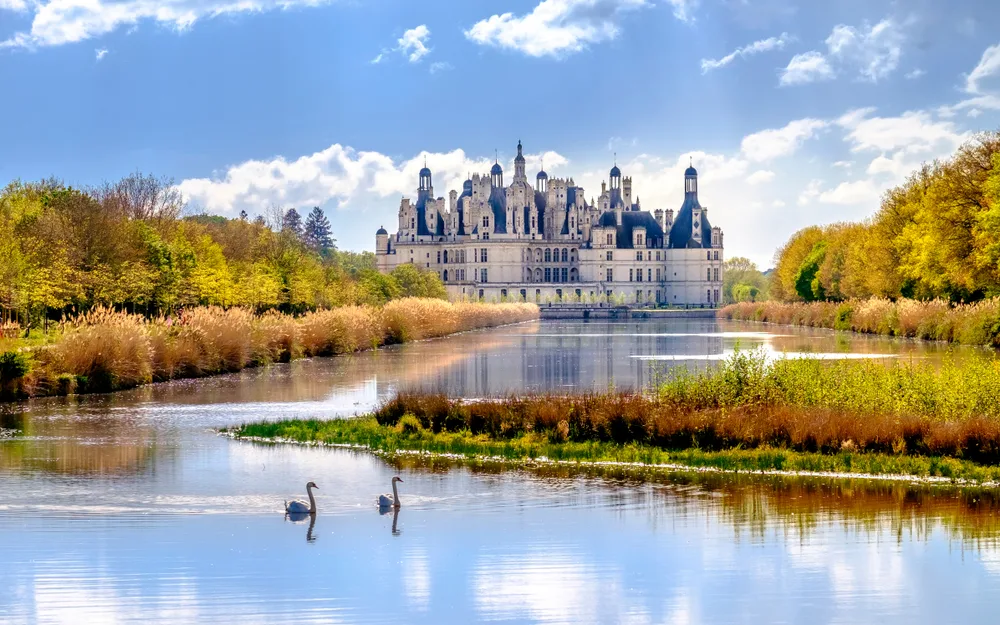
The Loire Valley is known for its châteaux, but a few stand out.
Chambord is the most striking, while Chenonceau stretches elegantly across the river. Around them, towns like Amboise and Tours give you somewhere to pause between stops.
Vineyards are easy to visit, especially around Saumur, and the Loire à Vélo cycling route runs through much of the region if you want a slower way to explore.
3. Provence
Highlights: Aix-en-Provence, lavender fields, local markets
Perfect for: Summer trips, atmosphere, food
Provence is best experienced in pieces rather than all at once.
Aix-en-Provence is a good base, with markets and shaded streets. From there, you can reach villages like Gordes or Roussillon, known for their hilltop views and warm colours.
In summer, the lavender fields around Valensole are the main draw. In between, it’s local markets, smaller towns, and long, unhurried meals that shape the trip.

4. Brittany
Highlights: Rugged coastline, Saint-Malo, coastal walks
Perfect for: Nature, seafood, quieter trips
Brittany feels a little wilder – in a good way.
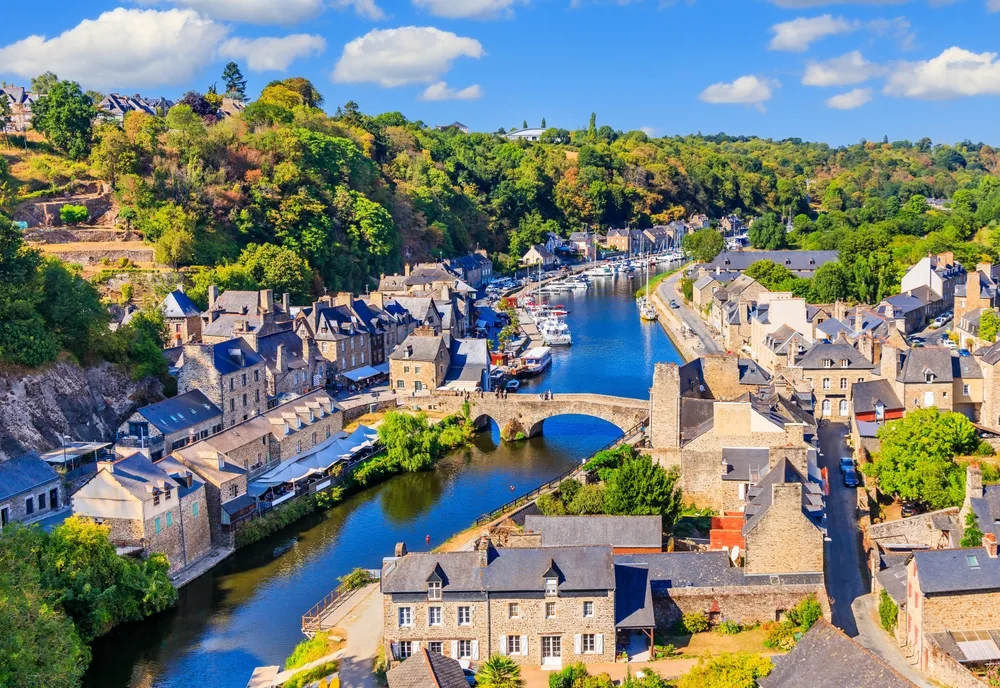
Brittany’s coastline is what defines it.
Saint-Malo’s walled city is the starting point, with views out over the sea. From there, places like Dinard and Cancale offer a quieter pace, known for coastal walks and seafood.
Further along, the Pink Granite Coast stands out for its unusual rock formations. It’s less about ticking off sights, more about following the coastline.
5. French Alps
Highlights: Annecy, Mont Blanc, alpine villages
Perfect for: Outdoor trips, all seasons
The Alps combine scenery with things to do.
Annecy is often the starting point – a lakeside town with clear water and mountain views. From there, Chamonix puts you close to Mont Blanc, with cable cars, hiking routes, and ski options depending on the season.
Smaller alpine villages give you a quieter base if you want something less busy, with easy access to trails and viewpoints.

6. Occitanie and the south-west
Highlights: Toulouse, Carcassonne, Pyrenees
Perfect for: Mixed trips, fewer crowds
This region mixes well-known landmarks with less crowded spaces.
Toulouse is the main city, known for its warm-toned buildings and relaxed feel. Carcassonne is the standout – a fully walled medieval city that’s hard to miss.
From there, the Pyrenees offer a shift into nature, with walking routes and open landscapes. You can move between city, history, and countryside without travelling too far.

When’s the best time to visit France?
France shifts with the seasons, and where you go can shape the experience. A trip to Paris in winter feels very different from the Riviera in summer or the countryside during the autumn harvest. Timing plays a bigger role than you might expect.
Travel tip: Late May–June and September often strike the best balance between weather and crowd levels.
What to eat and drink in France
Each region has its own approach to food, shaped by local ingredients and traditions.
- Paris offers classic bistro dishes and excellent pastries
- Brittany is known for seafood and crêpes
- Provence leans towards lighter, seasonal flavours
- The Loire and Bordeaux regions highlight wine and regional specialities
There’s also a natural flow to meals. Breakfast is simple. Lunch can be a pause in the day. Dinner is where time stretches – courses arrive slowly, conversations last longer.
You don’t need to overthink it. Choose what’s local – and you’ll usually be on the right track.
How to get around France
France is well set up for moving around – but your approach can shape the experience.
High-speed trains (TGV) connect major cities quickly, making longer distances feel manageable. It’s often the easiest way to travel between key stops.
For smaller towns or rural areas, a car gives you more control. You can take different routes, stop when something catches your eye, and avoid tight schedules.
Within cities, walking is often the simplest option. Many areas are compact enough to explore on foot.
Where to stay in France
Accommodation in France varies – and your choice can shape the tone of your trip.
In cities, central locations make a noticeable difference. Staying in areas like Le Marais in Paris, Vieux Lyon, or Bordeaux’s historic centre means you can walk more, see more, and spend less time figuring out transport.
In rural areas, smaller guesthouses, gîtes, or countryside stays offer a slower, more personal feel. Regions like Provence, the Dordogne, or the Loire Valley are known for these, often paired with local food and a quieter pace.
Along the coast, it’s more about setting. On the French Riviera, towns like Nice or Antibes give you easy access to the water, while in Brittany, places like Saint-Malo or Dinard keep you close to the coastline without feeling too busy.
Apartments can work well for longer stays, especially in cities or popular regions where flexibility helps.
It’s less about finding the “best” option – more about finding what suits your pace and the kind of trip you want.
Why travel insurance still matters in France
Even a well-planned trip can take an unexpected turn.
Delays happen. Luggage can go missing. Plans sometimes need to change quickly. These aren’t unusual situations, but they can be difficult to manage without support.
Your European Health Insurance Card (EHIC) gives access to public healthcare – but it doesn’t cover everything. Other costs – like cancellations or lost belongings – can still arise.
Travel insurance for France helps fill those gaps. It’s there if something doesn’t go as expected – so you’re not left dealing with it alone.
Discover France at your own pace
France isn’t somewhere to rush through. It’s better when you leave space in your plans – time to wander, to pause, to follow something that wasn’t on your list. The places matter, but it’s how you experience them that stays with you.
Plan the essentials, keep things simple, and let the rest unfold as it comes.

Get a quick travel insurance quote
Affordable travel insurance for all your needs
Discover the World
Stay up to date with the latest travel tips and advice
Your first solo holiday: 9 small steps to help you get started
Northern Lights in autumn: Where to go and what to expect