What to pack in your hand luggage
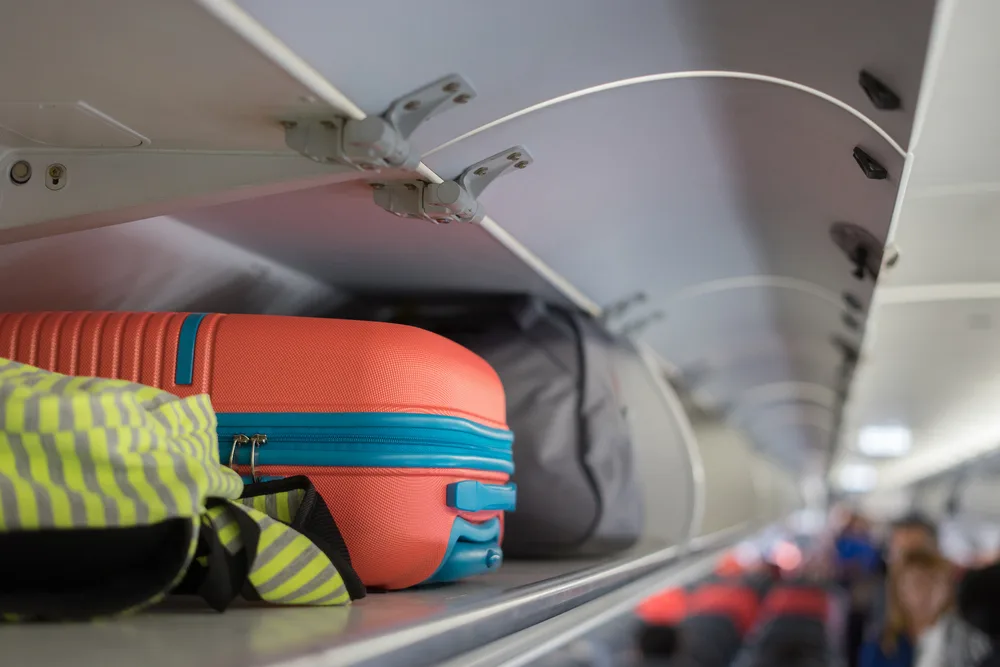
It's the night before your flight. Your suitcase is packed (mostly), your passport is somewhere safe (hopefully), and you're standing over an empty cabin bag wondering what actually needs to go in it. We've all been there.
Packing your hand luggage properly can make travelling a whole lot easier. After all, your cabin bag isn't just somewhere to throw your headphones and a packet of Tayto. It's where you keep the things you really can't afford to lose and anything you'll want close by during the flight.
In this guide, we'll walk you through exactly what to pack in your hand luggage, explain the latest airport security rules, and answer some of the questions holidaymakers ask most often before flying.
Start with packing the essentials
Here's a simple rule that's worth remembering. If losing it would ruin your holiday, keep it in your hand luggage.
Checked bags usually arrive exactly where they're supposed to. But every now and then, they don't. Keeping the important bits with you means one less thing to worry about if your suitcase takes a detour.
Travel documents
Before you leave the house, double-check you've packed:
- Your passport (and that it's valid for where you're travelling)
- Boarding pass
- Any visas or travel authorisations
- Your travel insurance documents
- Hotel bookings
- Your driving licence if you're planning to hire a car
A quick check before leaving home can save a lot of stress at the airport.
Money and valuables
It's also a good idea to keep these with you:
- Credit and debit cards
- A small amount of local currency
- Mobile phone
- House and car keys
- Jewellery or sentimental valuables
Can you take medication in your hand luggage?
Yes, and you should. Always pack prescription medication in your cabin bag rather than your checked luggage. If your suitcase is delayed, you'll still have access to anything you need.
To make travelling easier:
- Keep medicines in their original packaging.
- Carry slightly more than you'll need in case of delays.
- Bring a copy of your prescription if possible.
- If you're carrying liquid medication over 100ml, have a doctor's letter or prescription available if requested.
If you're travelling with controlled medication, check the entry requirements for your destination before you travel.
What are the hand luggage liquid rules?
The famous 100ml rule still catches plenty of people out, but it's actually quite simple.
Every liquid, cream or gel must:
- Be in a container holding no more than 100ml.
- Fit inside one clear, resealable plastic bag.
- Be presented separately if airport security asks.
One thing that's worth remembering is that it's the size of the container that matters, and not how much liquid is inside it. So an almost-empty 200ml bottle still won't make it through security.
What counts as a liquid?
More than most people realise. Liquids include:
- Shampoo and conditioner
- Toothpaste
- Sun cream
- Moisturiser
- Foundation
- Mascara
- Lip gloss
- Peanut butter
- Honey
- Jam
- Yoghurt
Solid items such as soap bars, lipstick and powder make-up don't count towards your liquid allowance.
Are there any exceptions?
Yes. Airport security allows larger quantities of:
- Baby milk and baby food
- Essential prescription medication
- Duty-free liquids bought after security
If you're travelling with these items, let security staff know before screening.
Can you bring electronics in your hand luggage?
Absolutely. Most everyday electronics should travel in your cabin bag, including:
- Laptop
- Tablet
- Mobile phone
- Camera
- Kindle or e-reader
- Chargers
- Headphones
- Smartwatch
- Portable battery pack
What about power banks?
Power banks must always travel in your hand luggage. They aren't permitted in checked baggage because they contain lithium batteries.
Flying from Dublin Airport?
If you're flying from Dublin Airport, you'll benefit from the airport's new C3 security scanners. This means you can carry liquids in containers of up to 2 litres, and you no longer need to remove liquids or electronics from your bag during security screening. If you're flying from another airport or have a connecting flight, check the local security rules before you travel, as many airports still apply the 100ml liquid limit.
What can't you take in your hand luggage?
Some items simply aren't allowed onboard. These include:
- Knives
- Loose razor blades
- Large scissors
- Tools such as screwdrivers and hammers
- Sporting equipment like golf clubs and baseball bats
- Fireworks
- Fuel
- Paint
What about these everyday items?
Disposable razors? Yes.
Electric shavers? Yes.
Tweezers? Usually yes.
Nail files? Generally yes.
Small scissors? Usually, if the blades are shorter than 6cm.
When in doubt, it's always worth checking with your airline before you travel.
A few extras you'll be glad you packed
Some of the most useful things in your cabin bag aren't essential, but you'll be delighted you brought them.
Think about packing:
- A refillable water bottle (empty until after security)
- Travel pillow
- Eye mask
- Earplugs
- Snacks
- Book or Kindle
- Phone charger
- Hand sanitiser
- Tissues
They're small things, but they can make a long journey much more comfortable.
Packing tips for families
Travelling with children means planning for the unexpected. A well-stocked hand luggage bag can make all the difference if there are delays.
Don't forget:
- Baby milk or formula
- Baby food
- Nappies
- Wipes
- Spare clothes
- Favourite toy or comfort blanket
- Snacks
- Tablet with downloaded films or games
- Children's medication
Why travel insurance is just as important as packing well
Packing carefully helps avoid unnecessary stress. But travel insurance helps protect you when something unexpected happens.
Depending on the policy you choose, travel insurance may help if you experience:
- Trip cancellation
- Overseas medical emergencies
- Lost or delayed baggage
- Flight delays
- Missed connections
- Personal liability
At JustCover, we understand that every trip is different. That's why we offer straightforward travel insurance designed to give holidaymakers extra reassurance, whether you're heading away for a few days or a few weeks.
As with any insurance policy, terms, conditions and exclusions apply, so it's always worth reading your policy documents before you travel.
Ready to go?
A well-packed cabin bag can save time, reduce stress and help you avoid unnecessary surprises at the airport. Before you travel, double-check you've packed the essentials and that your travel insurance is in place, so you can focus on enjoying your holiday.

Get a quick travel insurance quote
Affordable travel insurance for all your needs
Discover the World
Stay up to date with the latest travel tips and advice

Could you spot a travel scam? 8 warning signs to know

15 Travel hacks you’ll wish you knew sooner