The ultimate Spain travel guide for 2026
If Spain isn’t already pencilled into your 2026 plans, now’s the time to rethink that. Just a short flight from Ireland, blessed with reliable sunshine and packed with variety, Spain delivers everything from relaxed beach breaks to culture-filled city escapes and scenic road trips.
This guide covers everything you need to plan with confidence. Whether you’re dreaming of rooftop evenings in Madrid, coastal drives in Andalucía, island-hopping in the Balearics or winter warmth in the Canaries, here’s your complete overview – where to go, what to eat, how to get around and how to make your trip run smoothly from start to finish.
Why Ireland keeps going back to Spain – and why you might too
Spain has long been a favourite for Irish holidaymakers, and for good reason:
- Direct flights from Dublin, Cork and Shannon in under three hours
- No time difference to adjust to
- The euro makes spending simple
- Consistent sunshine, especially in southern regions
- Wide choice of destinations, from mainland cities to island escapes
- Friendly locals and strong English language support in tourist areas
Spain also rewards repeat visits. One holiday rarely feels like enough. From spring city breaks to summer family getaways or an autumn golf trip, it’s a country that fits easily into your calendar more than once a year.
Where to go in Spain: Region by region
Spain’s charm lies in its contrasts. Each region brings something distinctive, so choosing where to base yourself can shape your entire experience.
1. Barcelona and Catalonia – Art, architecture and Mediterranean life
Highlights: Barcelona, Girona, Costa Brava
Perfect for: First visits, couples, culture seekers
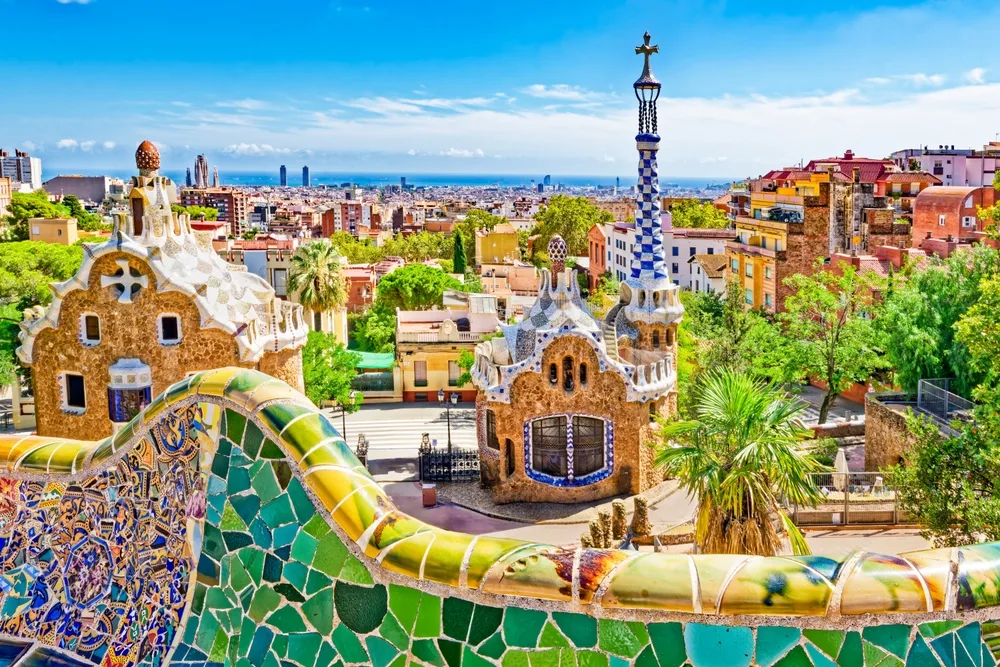
Barcelona blends creativity with coastline in a way few cities can match. You’ll wander past Gaudí’s colourful masterpieces – including the iconic Sagrada Família, whose intricate towers dominate the skyline – browse lively markets like La Boqueria, then find yourself at the beach before the afternoon ends.
Venture beyond the city and Catalonia opens up further. Girona’s historic centre feels like a film set, while the Costa Brava’s hidden coves and dramatic cliffs offer quieter seaside moments. If you’re looking for a fairytale-style day trip, Park Güell also offers panoramic views across Barcelona, with mosaic-covered terraces that perfectly capture the city’s artistic spirit.
It’s an easy mix of sightseeing and relaxation – ideal if you want variety without travelling far between experiences.
2. Andalucía – Moorish heritage and golden light
Highlights: Seville, Granada, Córdoba, Málaga
Perfect for: History lovers, photographers, spring travellers
Southern Spain carries layers of history that shape everything from its architecture to its food. In Seville, the vast Plaza de España is a must-visit – a sweeping semi-circular square framed by tiled alcoves representing every Spanish province. Nearby, the Real Alcázar showcases intricate Islamic design and lush palace gardens.
Granada’s Alhambra Palace sits against the Sierra Nevada backdrop, glowing at sunset and offering some of the most breathtaking Islamic architecture in Europe. In Córdoba, the extraordinary Mezquita-Catedral – a mosque-cathedral with its forest of red-and-white arches – reveals Spain’s Moorish past in dramatic fashion.
Málaga balances beach time with culture, particularly at the Picasso Museum, dedicated to the city’s most famous son.
Temperatures climb high in midsummer, so spring and early autumn often provide the most comfortable conditions for exploring.
3. Madrid and Central Spain – Grand landmarks and vibrant nightlife
Highlights: Madrid, Toledo, Segovia
Perfect for: Short breaks, food enthusiasts, museum fans
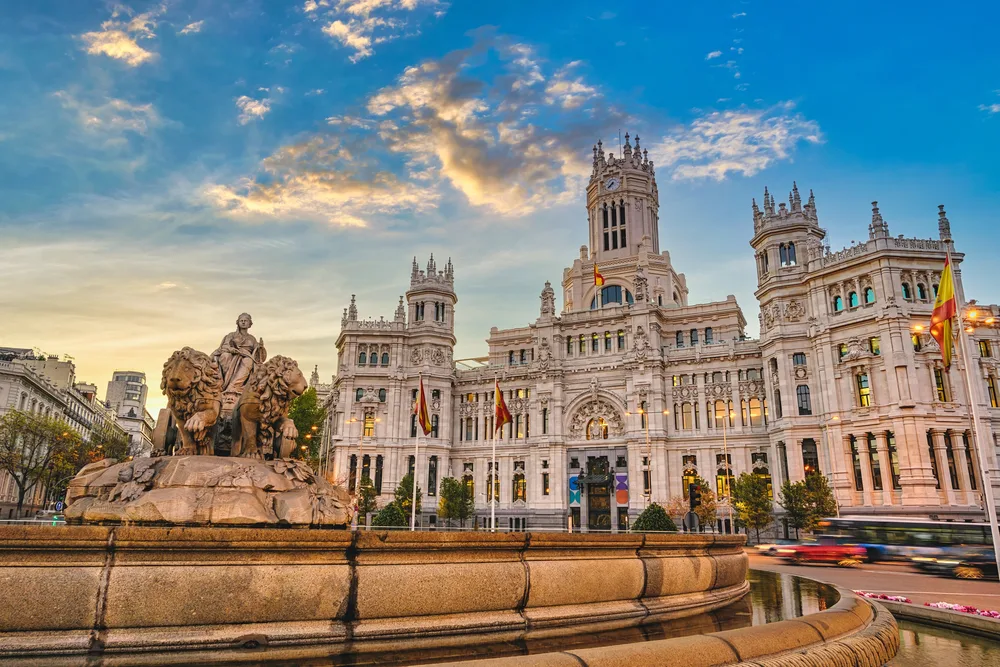
Spain’s capital hums with energy. Wide boulevards, elegant plazas and leafy parks give Madrid a spacious feel. Start at the impressive Palacio Real (Royal Palace of Madrid), Europe’s largest functioning royal palace, before strolling through El Retiro Park, where locals row boats across the lake beside the striking Crystal Palace.
Art lovers shouldn’t miss the Prado Museum, home to masterpieces by Velázquez and Goya, while the Reina Sofía showcases Picasso’s powerful Guernica.
Evenings here stretch late, with tapas bars around Plaza Mayor and the La Latina district filling long after sunset. Just outside the city, Toledo’s medieval skyline – best viewed from the Mirador del Valle – and Segovia’s remarkably preserved Roman Aqueduct add depth to a short trip.
Central Spain suits travellers who enjoy art, architecture and long dinners that turn into lively nights.
4. The Balearic Islands – Calm coves and clear waters
Highlights: Mallorca, Menorca, Ibiza
Perfect for: Families, beach breaks, relaxed summer travel
The Balearic Islands deliver Mediterranean beauty in perfectly sized portions. In Mallorca, you can explore the dramatic limestone peaks of the Serra de Tramuntana – a UNESCO World Heritage Site – before unwinding at the sheltered turquoise waters of Cala Mondragó. Palma’s impressive La Seu Cathedral, rising above the harbour, is also well worth a visit.
Menorca offers a gentler pace. Hidden coves such as Cala Macarella and Cala Mitjana are ideal for swimming in crystal-clear water, while the island’s quiet countryside makes it perfect for cycling or scenic drives.
Ibiza may be known for its nightlife, but the island’s old town, Dalt Vila, is a UNESCO-listed treasure of cobbled streets and panoramic sea views. Beyond the clubs, you’ll find pine-covered hills, peaceful beaches like Cala Comte, and sunset spots that feel worlds away from the party scene.
These islands are especially popular during school holidays, so planning ahead helps secure the best spots.
5. The Canary Islands – Atlantic warmth all year
Highlights: Tenerife, Lanzarote, Gran Canaria
Perfect for: Winter escapes, active travellers, longer stays
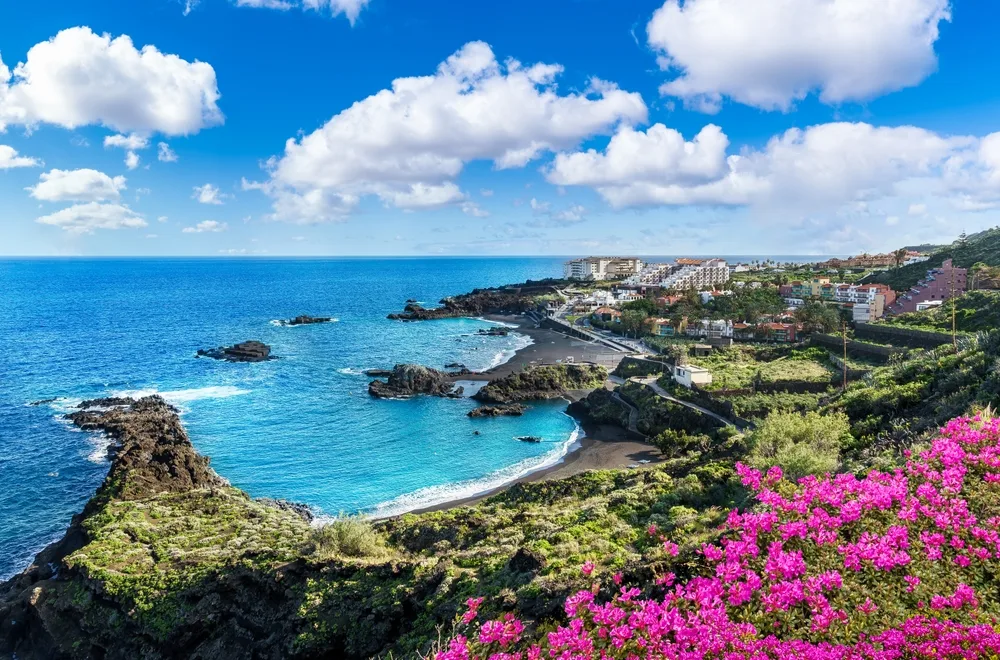
Further south, the Canary Islands feel worlds apart from mainland Spain. Volcanic peaks, lava fields and sweeping dunes shape the landscape, while year-round mild temperatures make them especially appealing during Ireland’s colder months.
In Tenerife, Mount Teide National Park is the star attraction. Spain’s highest peak rises dramatically above the island, and you can take a cable car close to the summit for panoramic views above the clouds. Lanzarote’s otherworldly scenery is best experienced in Timanfaya National Park, where geothermal heat still simmers beneath the surface. The island’s artistic identity also shines through at Jameos del Agua, a striking volcanic cave complex redesigned by local artist César Manrique.
Gran Canaria offers impressive contrasts. The golden dunes of Maspalomas resemble a miniature desert by the sea, while the mountainous interior around Roque Nublo provides scenic hiking routes and cooler forested landscapes.
For travellers looking to trade grey skies for reliable warmth and dramatic scenery, the Canary Islands consistently deliver.
6. Northern Spain – Culinary highlights and lush scenery
Highlights: San Sebastián, Bilbao, Santiago de Compostela
Perfect for: Food-focused trips, walking holidays, quieter travel
Northern Spain often surprises visitors. Its Atlantic coastline and cooler climate create greener hills, rugged cliffs and a slower rhythm that feels distinct from the sun-drenched south.
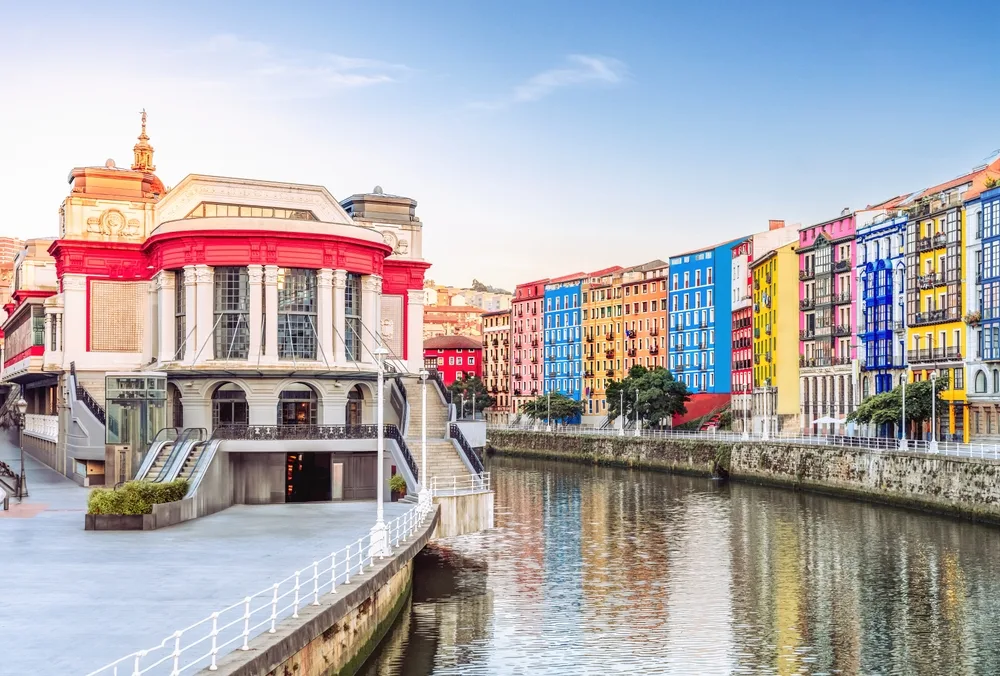
In San Sebastián, head to the Old Town to sample pintxos along Calle 31 de Agosto, before strolling along the crescent-shaped La Concha Beach, widely considered one of Europe’s most beautiful urban beaches. Bilbao blends innovation with tradition – the striking curves of the Guggenheim Museum Bilbao transformed the city’s skyline, while the nearby Casco Viejo preserves its Basque roots.
Further west in Galicia, Santiago de Compostela Cathedral marks the final stop of the famous Camino de Santiago pilgrimage route. The surrounding old town is filled with granite arcades and lively squares, while the dramatic Costa da Morte coastline offers wild Atlantic views for those who venture beyond the city.
If you’ve already explored southern Spain, heading north offers a refreshing shift in scenery, cuisine and pace.
When’s the best time to visit Spain?
From sun-soaked southern shores to cooler northern coastlines, Spain’s weather changes by region. Here’s a seasonal snapshot to guide you:
Travel tip: Late spring and early autumn often strike the best balance between sunshine and manageable crowds.
What to eat and drink in Spain
Spanish cuisine centres on fresh produce and shared plates. Meals are as much about atmosphere as they are about flavour.
Tapas range from grilled prawns and cured ham to croquettes and marinated vegetables. Paella remains a coastal favourite, while hearty stews feature more prominently inland.
Seafood dominates in Galicia and along the Mediterranean shores. Sweet treats include churros dipped in thick hot chocolate, especially popular at breakfast.
Regional wines such as Rioja and Albariño pair beautifully with local dishes. Cava offers a celebratory fizz, while tinto de verano provides a lighter alternative to sangria.
How to get around Spain
Getting around Spain is generally easy, whether you’re sticking to one region or planning to cover a lot of ground.
If you’re travelling between major cities, the high-speed AVE trains are fast, comfortable and surprisingly convenient. You can have breakfast in Madrid and be in Seville in time for lunch. For smaller towns and less touristy areas, intercity buses fill the gaps and are usually affordable and reliable.
If your trip includes the islands, a short domestic flight is often the simplest option. It’s quick and tends to be reasonably priced, especially if you book ahead.
Hiring a car makes the biggest difference if you’re heading into rural Andalucía, exploring northern coastlines, or hopping between beaches in Mallorca. It gives you the freedom to stop at viewpoints, small villages and places you might otherwise miss.
Driving is on the right-hand side, and roads are well-maintained. In bigger cities like Madrid or Barcelona, though, public transport is often the easier choice. Metro systems are efficient, taxis are widely available, and you won’t need to worry about parking.
Where to stay
Spain makes it easy to find somewhere that suits your travel style and budget. There’s no shortage of choice.
Along the coast, you’ll find modern seaside resorts with pools, sea views and easy access to the beach – ideal for families or anyone who wants everything in one place. In historic city centres like Seville, Barcelona or Granada, boutique hotels tucked inside restored townhouses offer character, charm and a real sense of place.
If you prefer space and privacy, countryside villas and traditional rural farmhouses – especially in Andalucía or northern Spain – provide a slower pace and scenic surroundings. Self-catering apartments are another popular option, particularly for longer stays or if you like the flexibility of cooking some meals yourself.
For something a little different, Spain’s paradores – converted castles, monasteries and historic buildings – offer the chance to stay somewhere truly memorable, often in spectacular settings.
July and August are peak travel months, especially along the coasts and islands. If you’re visiting during the summer, it’s wise to book early. For better value and a little more breathing room, consider travelling in late spring or early autumn.
Why travel insurance still matters in Spain
Spain may feel like an easy, familiar getaway, but even the most carefully planned trips can take an unexpected turn. Flights get cancelled, luggage goes missing, and illnesses or injuries don’t wait for a convenient moment.
Your European Health Insurance Card (EHIC) can help you access state healthcare while you’re in Spain, but it only goes so far. It won’t cover private medical treatment, the cost of cancelling your trip, replacing lost belongings, or arranging transport home if you’re seriously unwell.
Spain travel insurance adds that extra layer of reassurance. It means you’re not left handling expensive surprises on your own, and you’re supported if plans change suddenly. Having the right protection in place lets you relax and enjoy Spain for what it is – a holiday.
Spain is waiting for you
Spain has a way of balancing everything – culture and coastline, tradition and modern life, relaxation and adventure. That’s why so many travellers return again and again. However you choose to explore it in 2026, Spain rewards curiosity. Plan ahead, travel smart, and enjoy every moment – from your first step off the plane to your final sunset.

Get a quick travel insurance quote
Affordable travel insurance for all your needs
Discover the World
Stay up to date with the latest travel tips and advice
Explore the world, one quiz at a time
Too ill to go on holiday? Your next steps explained